

World Hunger
One in 11 people, about 720 million, are hungry. As ELCA members, we are called to respond, roll up our sleeves and get to work. We accompany neighbors near and far. God provides daily bread; together we help ensure it reaches every table, with compassion, courage, and faithful action.
ELCA World Hunger walks alongside congregations across the United States, Puerto Rico and the U.S. Virgin Islands, Lutheran churches worldwide and trusted partners. Your gifts fund clinics, microloans, clean water, livestock, meals and advocacy —sustainable solutions that address root causes of hunger.
We start by listening. Congregations and global companions identify local needs and solutions; we join to make them real. With LWF and partners like Bread for the World, CWS, Global Refuge, LSA, and LWR, we accompany and support their efforts to tackle unjust systems so lasting change takes root at home and abroad. We add education and advocacy, tackling unjust systems so lasting change takes root at home and abroad.

Hunger Grant Translations
Our resource library offers a Spanish language translation of Hunger Grants, available for download as a Word document.
Read and download the traditional Chinese translation of our Hunger Grants information in either PDF or Word format.
Hunger Grant information is available for both PDF and Word formats translated into simplified Chinese.
U.S. and International Hunger Facts
In the U.S. over 47 million face food insecurity, an increase of more than 1 million from just a year ago.
Today, over 22 million homes spend at least 30% of their income on housing, mainly because of the affordable housing crisis.
Climate change puts 3.6 billion people at risk of climate disasters, endangering lives and driving up the cost of living.
Our Work Here, Internationally and How to Join

Across the U.S., Caribbean, and U.S. Virgin Islands, we partner with congregations to confront hunger through community development (grants/loans), volunteer networks, education, and advocacy that reforms unjust systems.
Confronting Poverty and Hunger
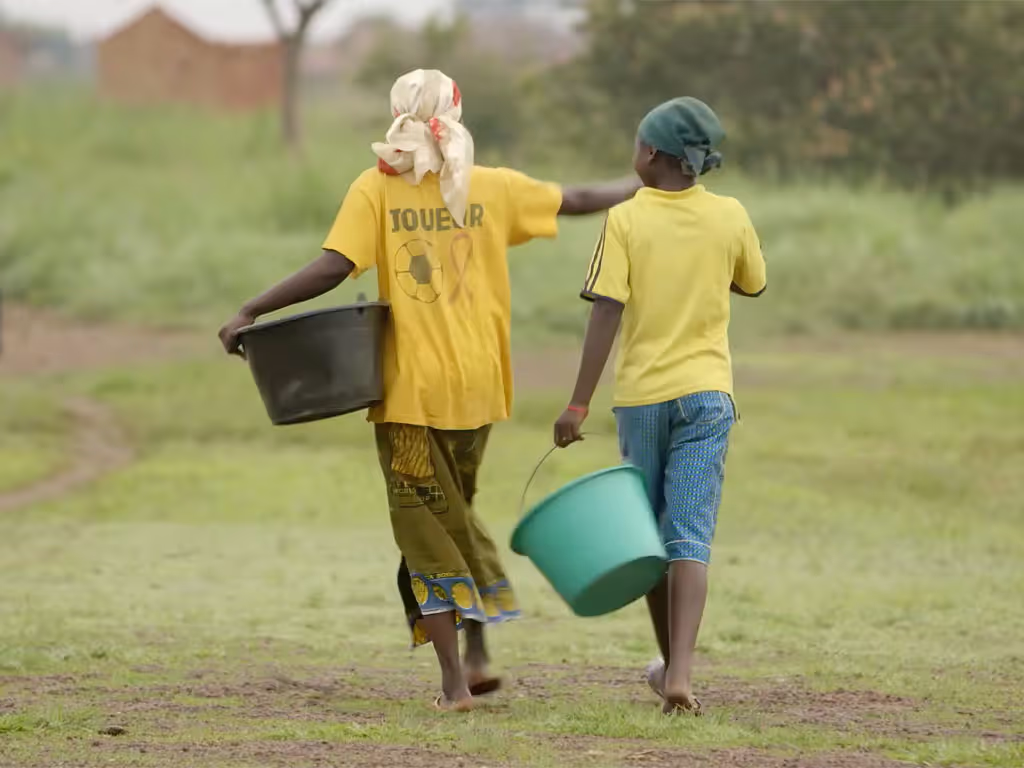
ELCA World Hunger works in 60+ countries through deep partnerships with global companion churches. Local partners know their context, identify needs, and shape responses. Guided by our accompaniment approach, we walk together to reduce hunger and poverty, achieving more than we could alone.
Interdependence and Mutuality
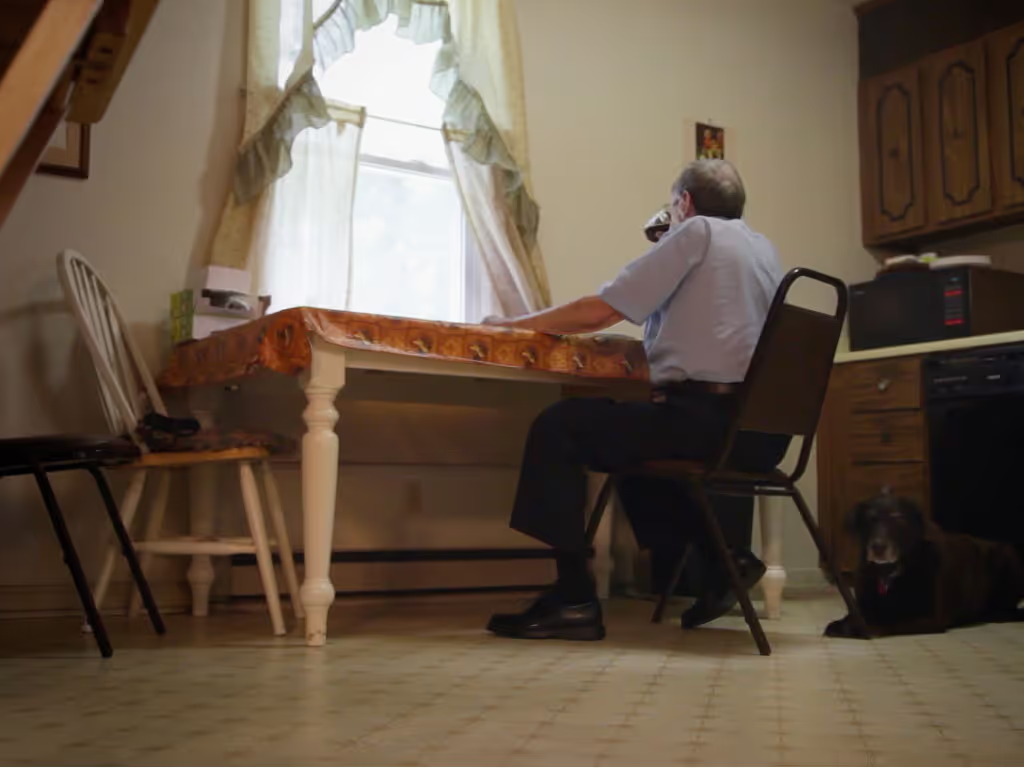
Help build a just world where all are fed: Learn with ELCA World Hunger resources. Get connected: Follow us on social media and sign up for our newsletter and advocacy alerts. Donate or host a fundraiser. Serve locally: Our Domestic Hunger Grants support programs fighting hunger and poverty.
Make an Impact Through ELCA World Hunger
Resources for Congregations
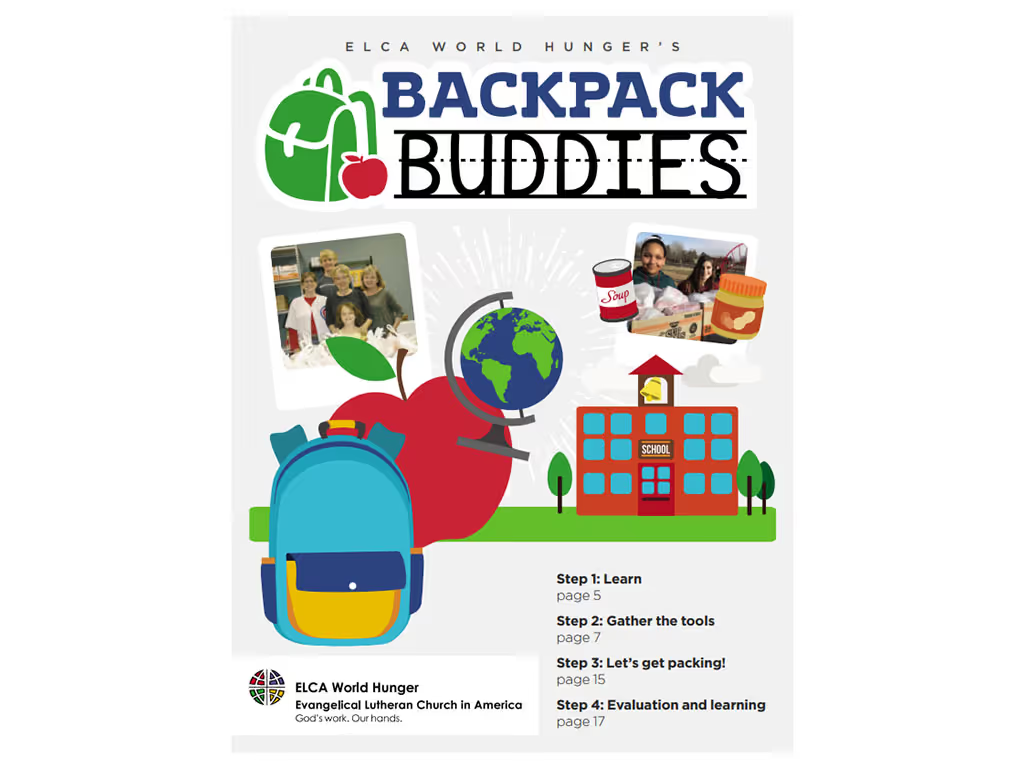
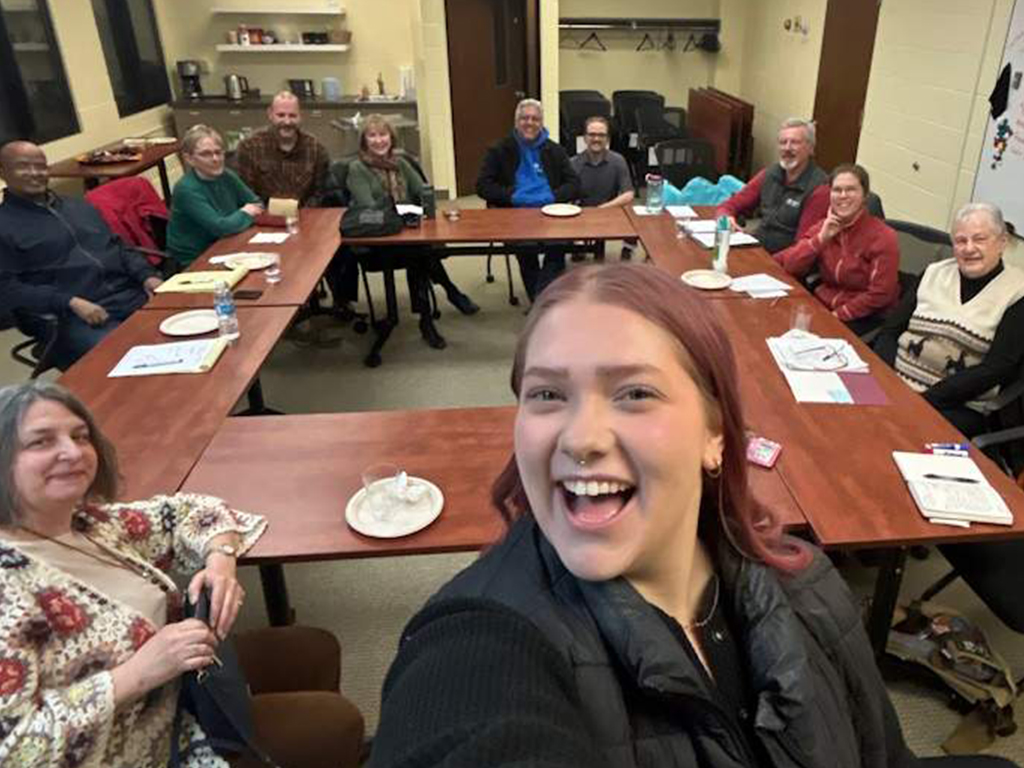

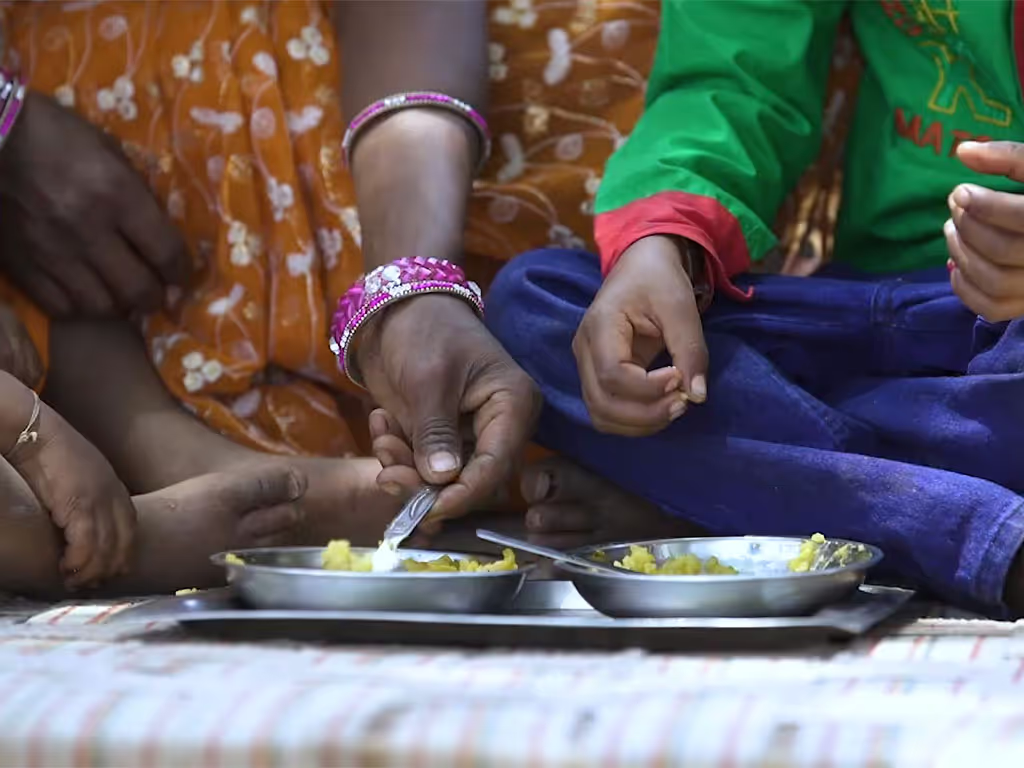
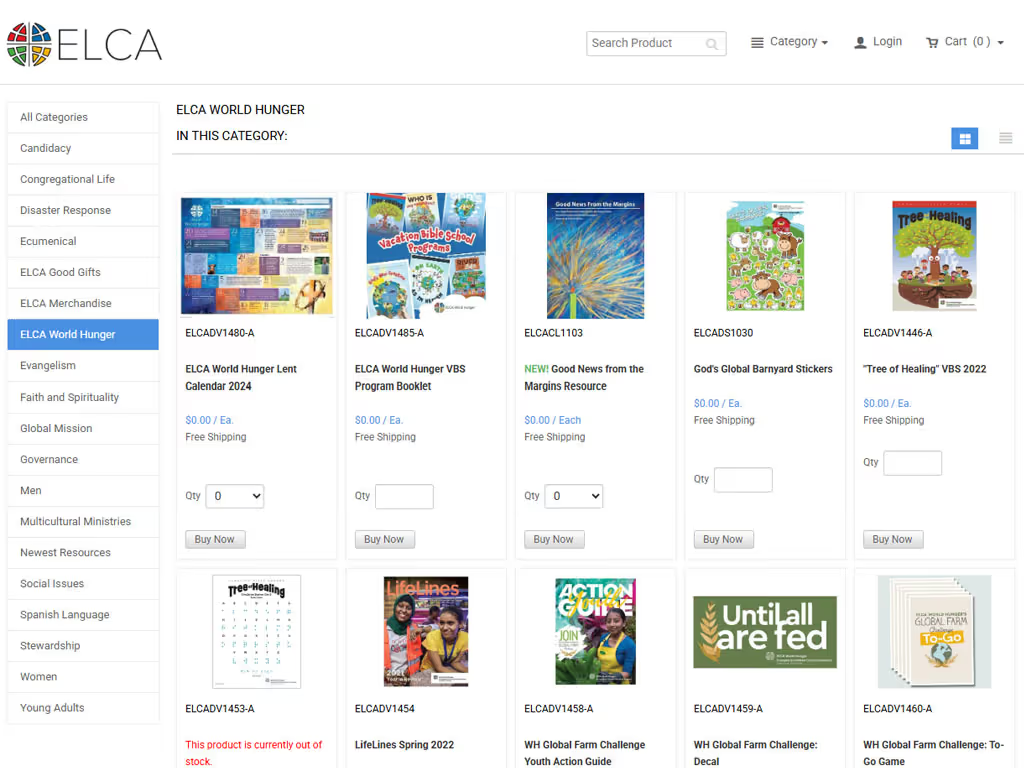
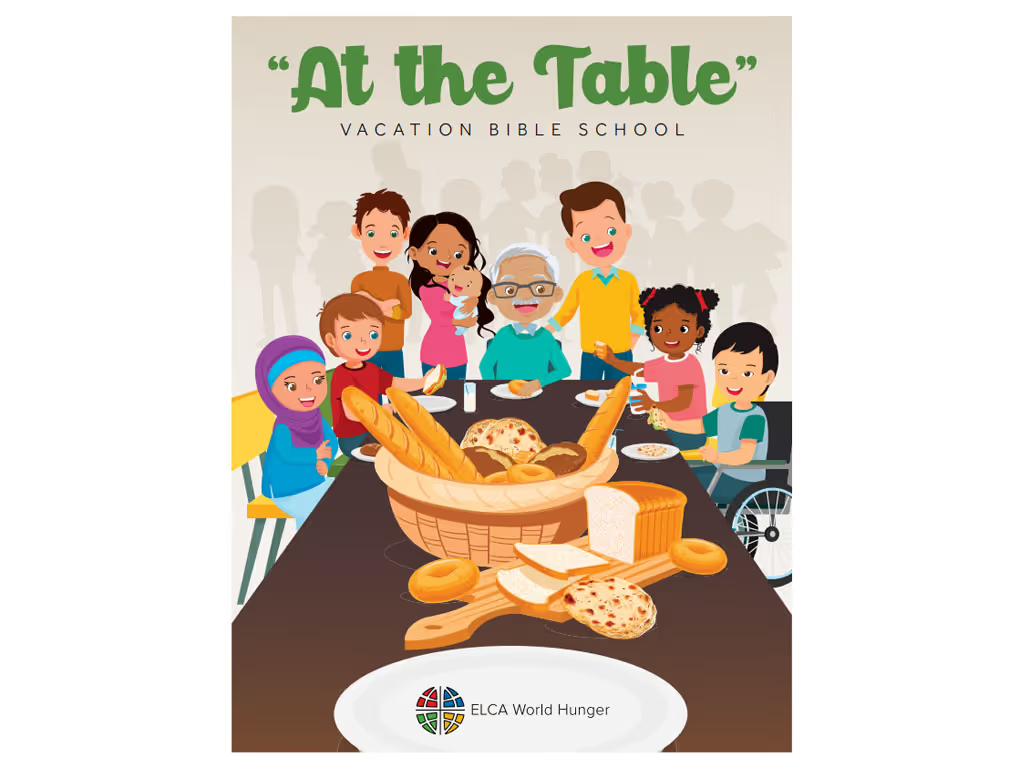
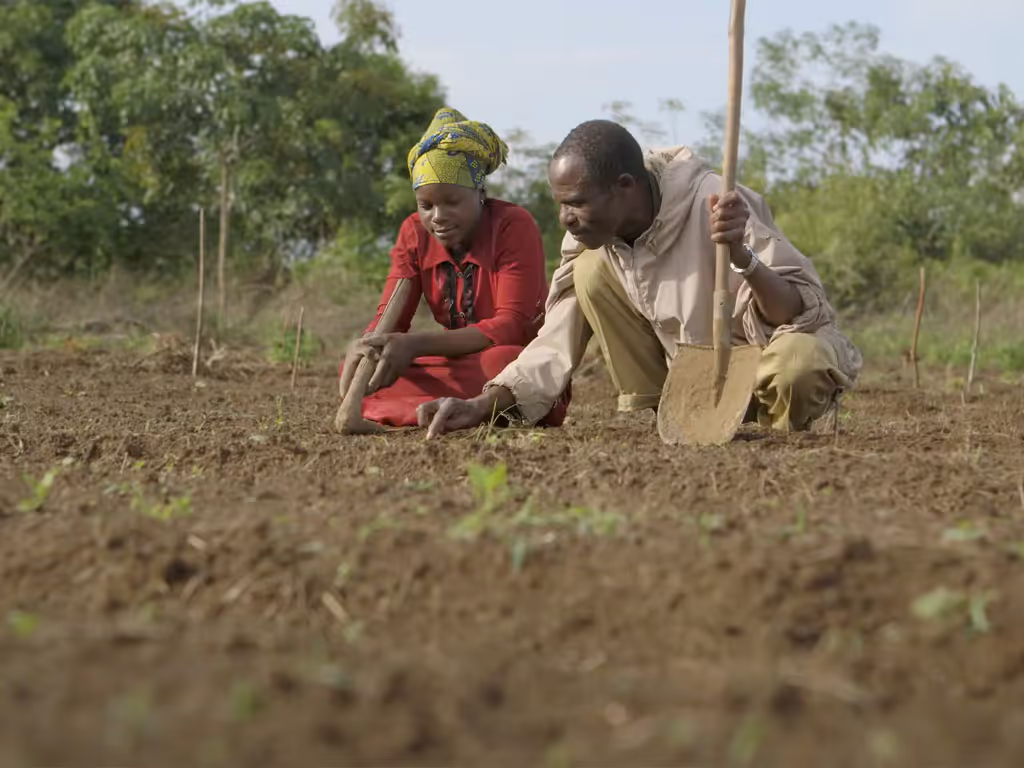
Congregations can use programs like "Backpack Buddies" or "Feeding Ministries" to learn more and make direct impact on ending hunger.
Domestic Hunger Grants
ELCA World Hunger Domestic Hunger Grants accompany congregations and their partners throughout the United States and Caribbean as they draw on the strengths of communities to address local issues such as food security, clean water, housing, job access, human rights, policy change and more. Together, these ministries are part of a comprehensive approach to breaking the cycle of poverty and hunger, for good. Link to Grant Application Guide, Application, and FAQs.
Grant Awards. Awards will be for a three-year cycle, with a maximum award of $10,000 per year, contingent upon fund availability and the completion of annual evaluations. New applications are accepted annually. The application period typically opens in spring.
Priority Focus Areas. Domestic Hunger Grant Application draw on the strengths of communities to identify and address local issues such as:
- Food security
- Clean water
- Housing
- Job access
- Human rights
- Policy change
- Letter of inquiry form open: Wednesday, April 15th – Wednesday, July 1st 2026
- Letter of inquiry review: Monday, July 13th – September 15th, 2026
- Response to the letter of inquiry (deny or accept): October 30, 2026
- Invited applicants to complete grant application in ELCA GrantMaker: October – December 2026
- Review and communication between ELCA World Hunger staff and grant applicants on proposal: October – December 2026
- Award notifications shared with applicants: January 2027
- 2027 Domestic Hunger Grants start date: March 1, 2027
Applicants must be 501(c)(3) nonprofits with established ties to an ELCA congregation/ministry and the local community, and already doing the work proposed. Priority: ELCA congregations/ministries addressing root causes of hunger, inclusive leadership with lived-experience voices, advocacy for systemic change, and partnerships that leverage local assets. Not funded: groups that discriminate, require faith activities for services, or act as pass-throughs.
- What systemic issues are being addressed in the communities served?
- How does your organization or project plan to address systemic issues in the communities served?
- Who are the participants?
- What is the total amount you are requesting?
- Is this a single year or a multi-year request?
- Is this request part of an existing organization or ministry or a new ministry or organization?
- Is the organization or ministry directly implementing or is it in partnership with other entities?
- Click here to apply.
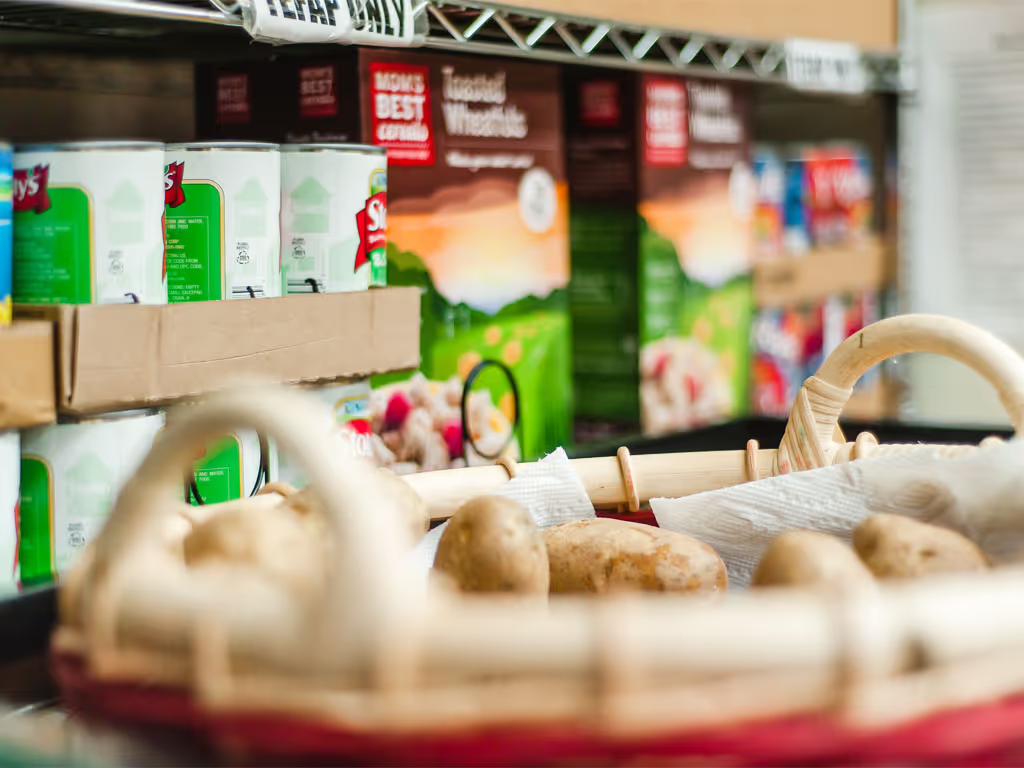
We break down barriers, shape just laws and policies, and address root causes of hunger. We partner with ministries that build deep, justice-focused relationships, reduce inequality, and center community partners so all neighbors may flourish.
Daily Bread Grants
ELCA World Hunger Daily Bread grants provide daily bread for neighbors experiencing hunger while also serving as a catalyst for garnering additional financial support. Daily Bread grant funding in available in the form of one-time $500 grant and is meant to supplement existing public serving food-based ministries. You may submit a request for a Daily Bread Grant beginning on October 1, 2026 through October 21, 2026.
Click here to apply o presentar la solicitud en español.
- Letter of inquiry form open: Thursday, October 1st – Wednesday, October 21st 2026
- Award notifications shared with applicants: November 2026
- Banking & Payment dispersal: December, 2026
Applicants must be an ELCA Congregation or ministry (including new starts, SAWCs, strategic ministries, congregations in development, SAOMs, and campus ministries!) already doing the work of the feeding ministry proposed. Not funded: non ELCA Congregations or ministries, groups that discriminate, require faith activities for services, or act as pass-throughs (donate to another org doing the work).
- Describe your existing capacity and experience feeding your community through your ministry and partners?
- What will the funding from this request support? i.e. activities, goals, and expected outcomes
- Optional: Is there any additional information that would be helpful for consideration?
- Click here to apply o presentar la solicitud en español.
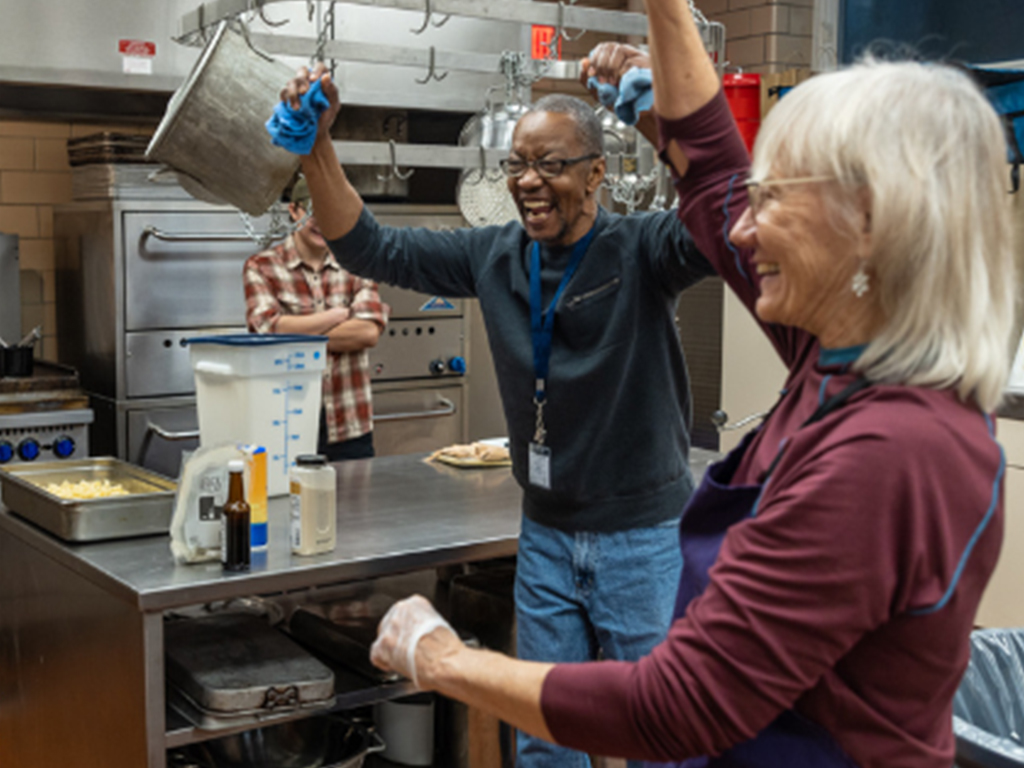
In 2025, an unprecedented amount of Daily Bread Grant Applications were received, over 1000, demonstrating the need across the United States for additional support of feeding ministries. 670 ministries were awarded across all 65 synods. Together, ELCA's feeding ministries, our Domestic Hunger Grant partners and our Advocacy work in Witness in Society, are part of a comprehensive approach to breaking the cycle of poverty and hunger - for good.
Together, We Care for Millions

The ELCA partners with 300 health and human service groups in Lutheran Services in America, serving 6+ million people yearly in the U.S. and Caribbean, about 1 in 50 Americans. We also support 285+ ELCA-affiliated social ministry organizations.
This interactive map and state fact sheets illustrate the breadth of our network’s programs and services and powerful impact on people and communities across the United States.
World Hunger provided grants to 149 ministries across 57 synods and 41 states, including Puerto Rico and Washington, D.C.
Use this guide to find data on housing, jobs, and food access to show impact, rally support, and spot needs and assets.
See your gifts at work for ELCA World Hunger and Lutheran Disaster Response in this global map.