
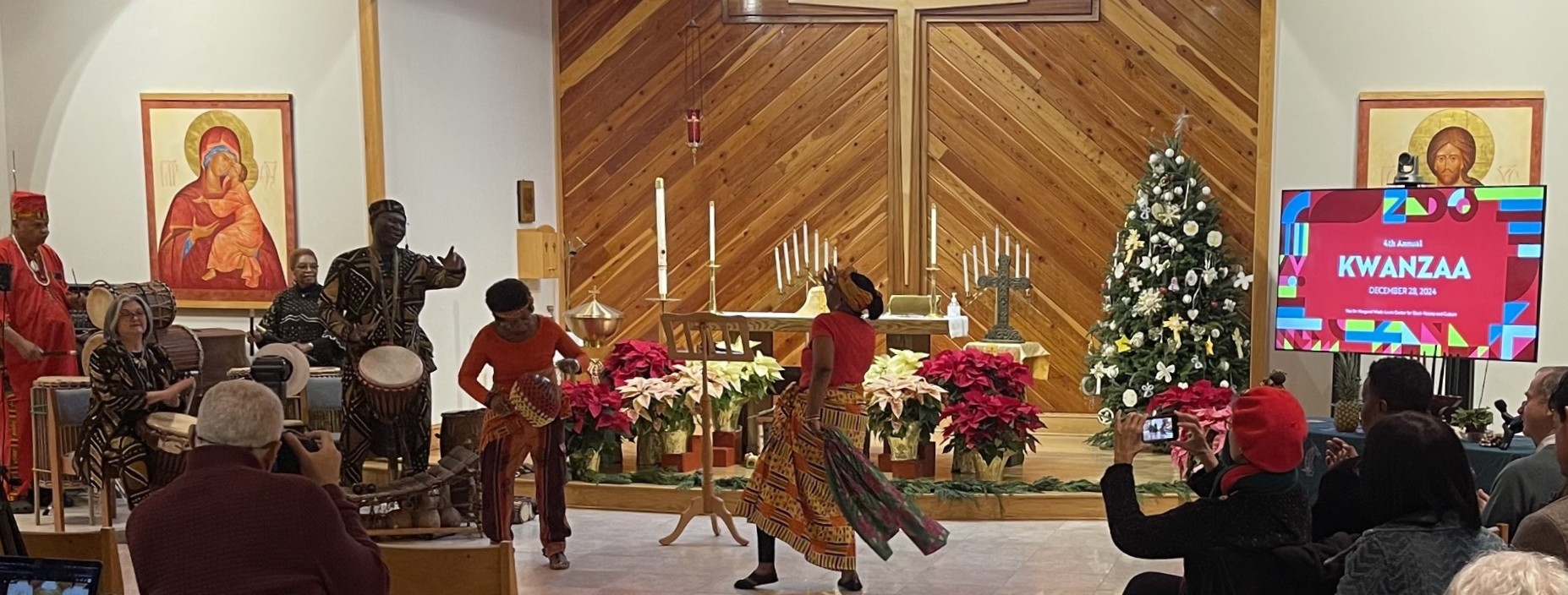
The residents of New Paltz, N.Y., feel a familiar connection to Redeemer Lutheran Church, even though some may have never attended a worship service. They come to watch 90 Miles Theater Company’s popular productions; to attend League of Women Voters annual meetings, local Montessori school events, Alcoholics Anonymous regional picnics; or to participate in one of the town’s community wellness programs held at Redeemer. The church is living into its role as a “hub” in its truest form, where the different paths of the town’s organizations and residents connect to each other.
Ten years ago, this new chapter of the church’s life wasn’t even an idea that had entered anyone’s mind or heart. The congregation was small (50 on average in worship), not particularly practiced or agile at outreach, and its building was hard to notice if you weren’t looking for it. There was no doubt that the Holy Spirit was moving Redeemer into a new season for ministry, but its people were still discovering what God in Christ might be inviting them to do. Their building also was underused, more of an anchor dragging them down than an albatross helping them to take wing.
Prayer and conversations held by Redeemer’s pastor, the Rev. Tobias Anderson, with leaders and the wider congregation gave the congregation a sense of healthy ownership for the building. Small capital campaigns undertaken with matching grant support from the Metropolitan New York Synod made it possible to make building upgrades, with a focus not on maintenance and the past but on how God was calling them to discover how God in Christ was already at work in New Paltz and the region in the present and into the future. Leadership began referring to the building as “God’s House at Redeemer,” a phrase coined during one of the capital campaigns, which clarified that they were stewards, caretakers, of what God was entrusting to them.
“As a pastor, I see part of my role to be encouraging us all to turn the soil and see what God might plant and unearth,”
- Rev. Tobias Anderson
Pastor Tobias also said A Future That’s Bigger Than Our Past by the Rev. Sam Wells had a big impact on his way of thinking about congregational ministry and the buildings that we steward. Rev. Wells writes: “Our role as churches and as individual Christians is to cultivate a sense of abundance rather than scarcity; a sense of the wondrous things in life that are still true and we’re more aware of, rather than the conventional things in life we’ve been deprived of.”
In congregation council meetings and through one-on-one conversations with parishioners, Pastor Tobias began wondering how Redeemer’s building could become less of a liability and more of an asset for the congregation’s ministry. A local cooperative fitness gym reached out to see if they could temporarily be housed in the fellowship hall, and the congregation said “yes.” The gym also started partnering with the congregation’s Christmastime project of adopting single moms and their children to provide gifts. The council and others became increasingly intrigued by how “God’s House” at Redeemer might become a stronger vessel for ministry and outreach. Members talked and prayed about how Redeemer might open itself up to being more than a place where the congregation gathered for worship and other ministries — and how to take steps to make that happen.
Conversations continued to evolve beyond the congregation council and happened even during COVID-19 lockdowns. The council and congregation were invited to read Remove the Pews: Spiritual Possibilities for Sacred Spaces by the Rev. Donna Schaper. Redeemer even hosted an ecumenical workshop for area congregations with Rev. Schaper, followed by a personalized session specific to its opportunities with her and congregation leaders. Through their study, the congregation was challenged to embrace physical, emotional and spiritual change by considering the possibility of new ministry taking precedence over preserving their past. Her abundance of ideas for what could happen in their building lit a fire under the council, and they enrolled in a program offered by Rev. Schaper’s new organization, Bricks & Mortals, which guided a cohort of congregations to imagine and discern new possibilities for their property.
The Bricks & Mortals cohort helped the congregation crystallize its vision for how the buildings and grounds might facilitate their mission rather than just being a container for it. Knowing that they probably weren’t going to be able to quickly grow their worship attendance or volunteer capacity, the congregation began to imagine how their space might help them with outreach — to connect with their neighbors — as well as sustain and care for the building and their presence.
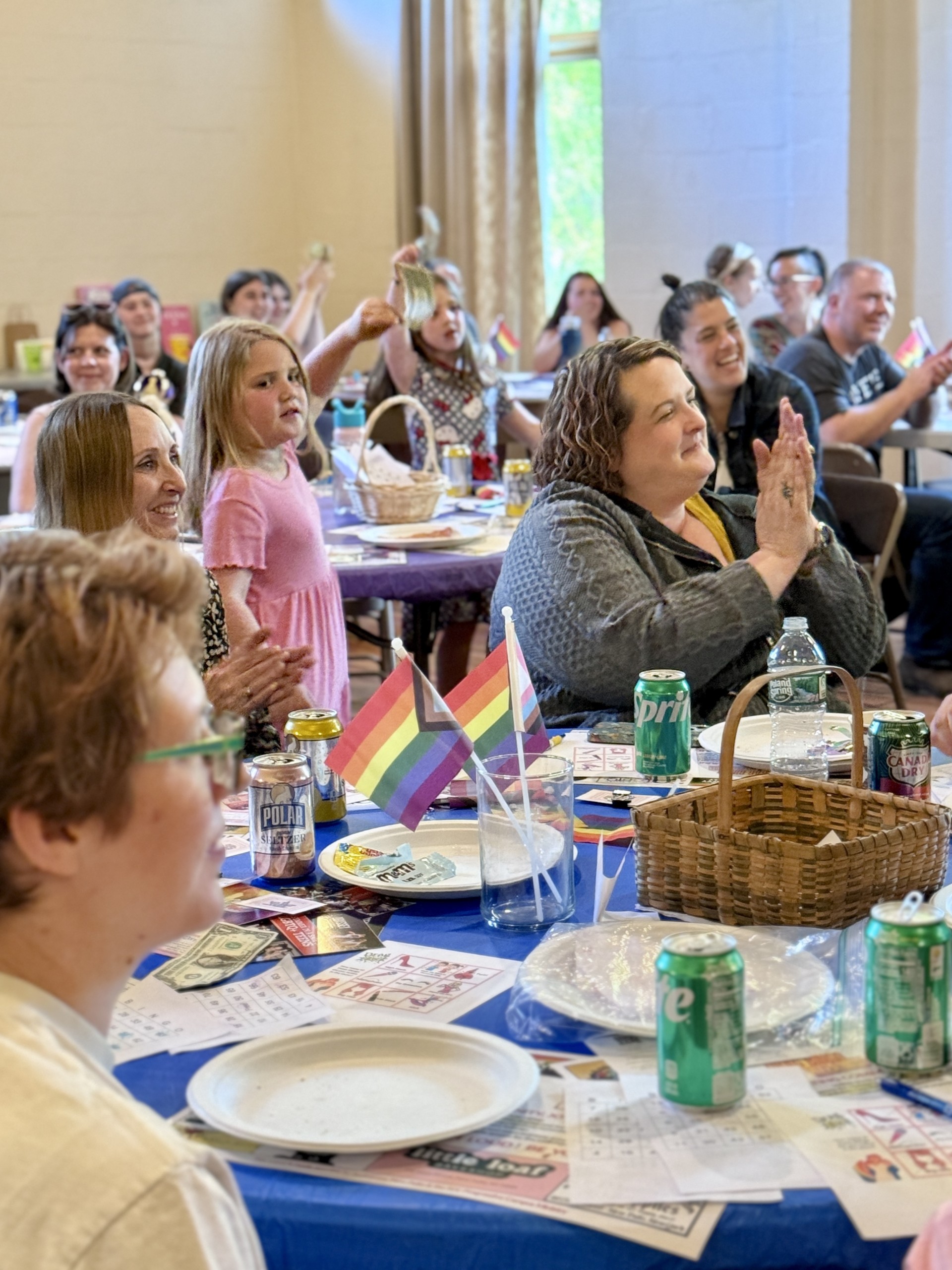
Members coined a new term for their building-sharing ministry: CommUNITY Spaces. They knew that conversations about this new ministry had to start somewhere, so they began inviting neighbors and local leaders for tours, which has become a routine practice. “We give a lot of tours,” Pastor Tobias said. “It’s second nature for all of us to talk about the building, its amenities, how it's used.”
Those tours aren’t just ways to drum up business for the congregation but are opportunities to connect. “We lead with relationship,” Pastor Tobias said. “We talk with tour guests about their hopes and dreams for their organization, and we look for opportunities to share the mission and focus areas of Redeemer. We’re looking for points of intersection.”
That emphasis on connection appealed to Heather Barton, the church’s communications and marketing director. During one of the regular tours led by church leaders, she was struck by the vision of the building as a place that could serve as a hub for New Paltz’s service organizations and groups. Barton is not Lutheran, not even particularly religious, but she feels a deep resonance with who Redeemer is and what its members are trying to do.
“What Redeemer is doing here is exactly what New Paltz needs. We’re increasingly isolated as a society, and this church is working to overcome that.”
- Heather Barton
With a background in social work and nonprofit management, Barton was a perfect fit for how the church was redefining its administrator position to be more focused on relationships and outreach as well as traditional property management.
With Barton’s talents and expertise, Redeemer was able to build a ministry strategy and a business plan. Members have a goal of $60,000 annually to sustain its CommUNITY Spaces ministry, and they are building an ever more robust mix of “anchor partners” (long-term arrangements with groups that use the building regularly) as well as one-time and short-term partners in the space to achieve this goal.
Because of the strong focus on relationships, the church has been able to recruit organizations that align with their missional values as well as support short-term partners that want to increase their capacity to become anchor partners. These groups aren’t just tenants — they are becoming friends and collaborators.
The revitalization of the building has revitalized the congregation too. Parishioners have invested in these new building-based relationships — they participate in activities and events at the church and serve as “Welcome Ambassadors” to offer tours and hospitality to visitors, whatever their reason for coming. And they regularly hear comments from people in the wider town such as, “Oh, that’s the church where all of those good things are happening.”
Reflecting back on the church’s property journey, Pastor Tobias said the biggest change he sees is that the congregation has managed to avoid operating out of a place of fear and continues to move into practices that reflect the faith being planted in them daily by God in Christ through the power of the Holy Spirit. “We have ideas, we’re trying them out, we’re praying and reflecting on how it all goes, and then making more plans to try out more exciting ideas,” he said.
Property Stewardship Lessons
- Start with wonder. Don’t be afraid to ask big questions about your property; take the time to reflect and pray.
- Tap into existing wisdom and expertise. Books, podcasts, conferences and webinars offer expertise from folks who have valuable experience and inspiration to share.
- Rethink staff and leadership positions. New stewardship strategies mean new tasks, focus and priorities for clergy, administrative staff and lay leaders.


