
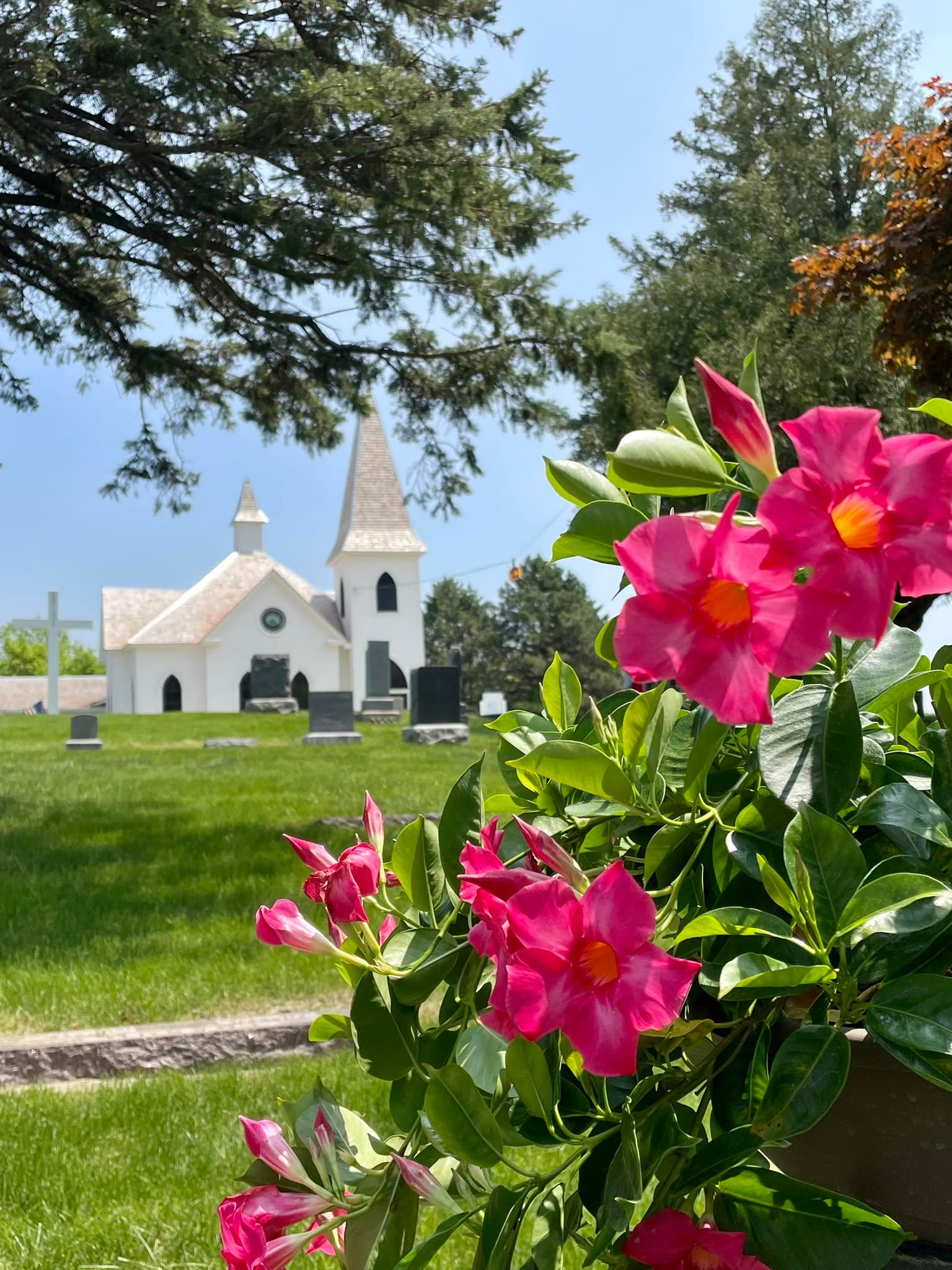
The atmosphere of Trondjhem Lutheran Church in 1987 was heatedly contentious — the question on the table was the future of its 1899 building. The congregation had outgrown the small clapboard church that their Norwegian immigrant ancestors had erected in the fields of Southeast Minnesota. It was too far away from the main road to be seen by travelers, too small for the growing congregation and its community-serving ministries, too old to heat or cool efficiently, and too burdened with deferred maintenance to be attractive to a buyer.
In a congregational survey, the margin between razing the building and saving it was just five votes — the old church would be demolished. “Half the church was heartbroken,” said Nancy Halverson Norton, chair of the Trondjhem Community Preservation Society.
“There was no question that the church needed a new building, but how could they destroy what their ancestors had built?”
- Nancy Halverson Norton
Today the fully restored historic church building sits about a mile south of Minnesota State Highway 19 and Trondjhem’s new building in Lonsdale, Minn. The church was able to chart a path that allowed for both a new building for ministry and the preservation of the inherited building to honor their heritage. But that road was rocky, and the parishioners had to take it step by step, never knowing exactly where they would end up.
After the congregational survey showed that a slim majority favored demolition, a small group of members quickly formed a separate nonprofit and made a bid on the property. The Trondjhem Community Preservation Society (TCPS) would take on all the responsibility of restoring the building, promoting the heritage of the community and finding new uses for the space. It could offer $2,500 for the 1.5 acres of property, which again led to congregational disagreements. Couldn’t they get more if they sold on the open market? But by another slim majority, the congregation decided to take the offer, hoping that this would provide an avenue to preserve not only their building but their heritage. They took out a mortgage to purchase a plot of land up the road and build a new church that was a better fit for their mission and energy.
Halverson Norton is the daughter of one of the early board members. Although she is not a member of the current Trondjhem congregation, she feels a deep commitment to the church’s heritage and is proud of the progress that TCPS has made. “It was really a leap of faith,” she said. “None of them knew much about preservation.”
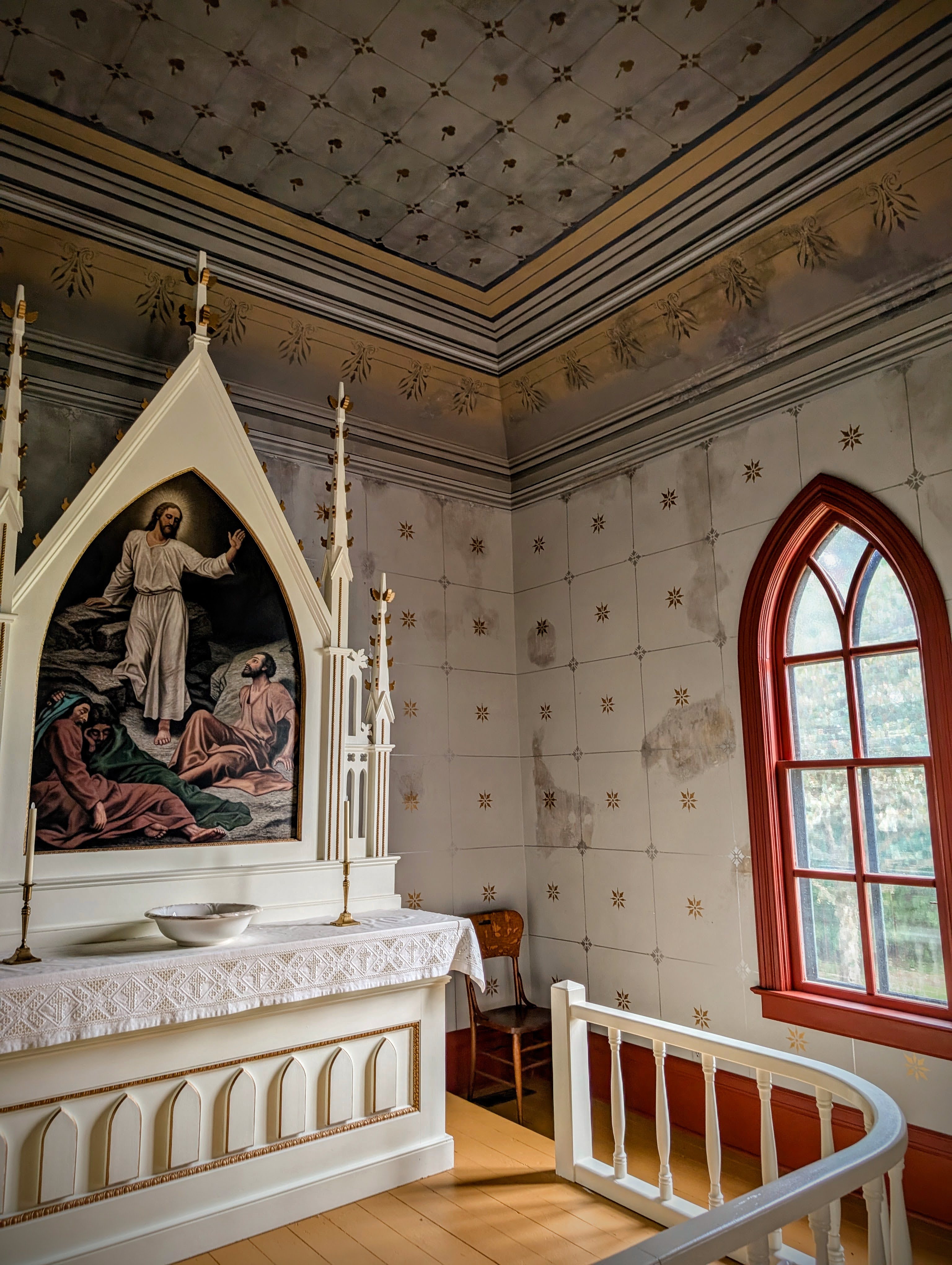
After purchasing the property, TCPS got to work fixing and cleaning up the historic building, which included ripping apart the modern modifications that had been made. They replaced the leaking roof with materials and design that matched the oldest photographs of the church. They removed the acoustic tiles in the sanctuary, revealing an embossed tin ceiling. Fiberboard and wallpaper were removed to discover hand-painted stenciling on the original walls, which TCPS had restored by a painter specializing in historic art preservation. They repaired and polished the hand-carved railings and have recently restored the original altarpiece, which includes an oil painting by Julius Holm called “Christ in Gethsemane.”
Additionally, TCPS renovated and expanded the nonhistoric fellowship hall with modern amenities to serve as a venue for celebrations and events, as well as display artifacts that highlight the church’s history. Much of this work was funded by individual donations, but some was supported through preservation and heritage grants. The restoration project has garnered regional and national attention — TCPS was recognized by the Preservation Alliance of Minnesota, and the historic church is on the National Register of Historic Places. In addition, TCPS was awarded grants from Partners for Sacred Places for exterior renovation and the commission of new original folk art pieces that reflect its Norwegian heritage.
This amazing work has been possible only because of the formation of TCPS — a secular, independent nonprofit whose entire mission is the restoration of the historic building. While current Trondjhem members serve on the TCPS board, the majority of directors are from the wider community. Some may have familial ties to the church, and others are passionate about Norwegian heritage and preservation.
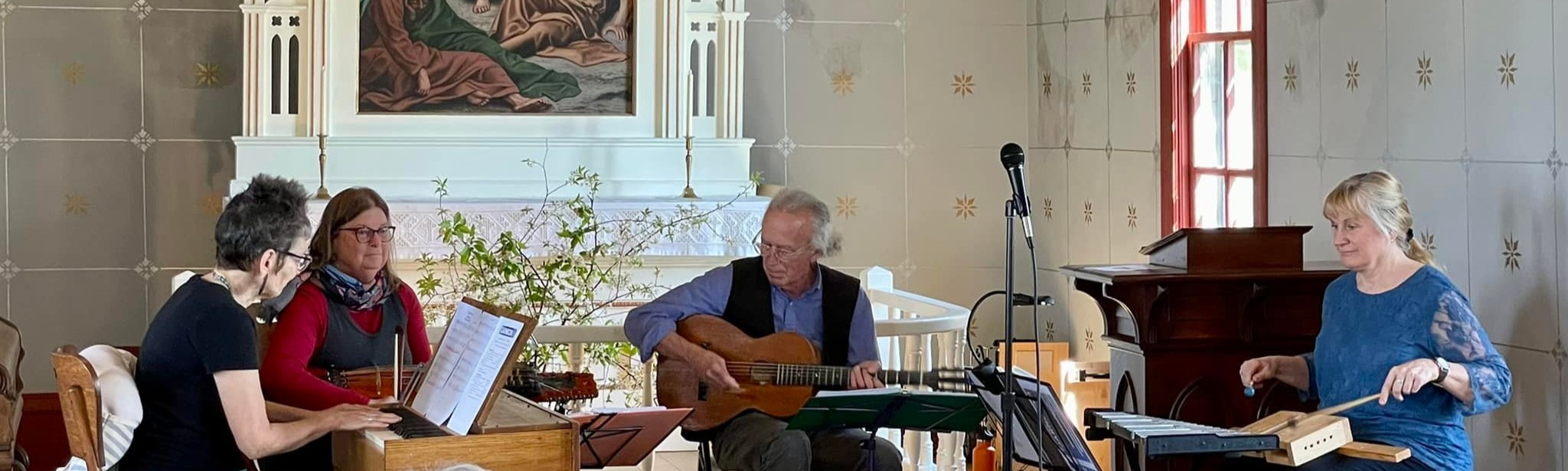
TCPS can apply for grant funding that a faith-based community could not, and the diverse board brings in additional expertise and connections in preservation, archival work and fundraising. Their narrow focus on heritage also allows for more energy and imagination in programming — TCPS hosts an annual Syttende Mai celebration of Norwegian heritage, lefse-making classes, workshops in Nordic folk art traditions such as rosemaling, and popular community outreach events like the beloved ice cream social.
The model worked so well that members of Trondjhem incorporated another organization to maintain the historic cemetery. This group is responsible for regular maintenance, like lawnmowing and gravestone cleaning. They also research the folks buried there on request, maintain contact with their descendants and host cemetery tours (especially popular in October) to fundraise for continued upkeep. Trondjhem remains involved with both the cemetery and the historic church. The congregation has held Christmas and Easter sunrise services in the historic church and volunteers with cemetery cleanup days. Members can still choose to be married or baptize children in the historic church or be buried in the cemetery.
Almost 40 years after the congregation’s internal conflict over the future of the historic building, three entities now steward the different aspects of their heritage. TCPS oversees the restoration and programming for the historic church, Trondjhem Cemetery maintains the burial grounds adjacent to the old church, and Trondjhem Lutheran Church carries on the legacy of ministry and mission with the current generation of parishioners.
The Rev. Sue Leibnitz, pastor of Trondjhem, is grateful that these responsibilities no longer lie with the congregation council. “The congregation’s competencies do not include cemetery maintenance or historic preservation, it would just be a drag on our resources,” she said. “We collaborate often, but we leave specific maintenance tasks up to each individual body.” This allows the church to focus on its own mission.
“We’re supposed to be loving our neighbor, caring for the sick, reaching out to the prisoner. Property maintenance can’t be our top priority.”
- Rev. Sue Leibnitz
Both Leibnitz and Halverson Norton hope that other churches will follow in Trondjhem’s footsteps to both preserve their heritage and evolve for the future God is calling them to. The road may be rocky, but there are now models for separately incorporated organizations that can take on heritage and building preservation. “They don’t have to give up their heritage,” Halverson Norton said.
Pastor Leibnitz agrees and thinks that more congregations should spin off preservation and heritage groups, adding, “They could do so much more together than alone.”
Property Stewardship Lessons
- Find ways to share the burden of property management. Incorporating a separate organization can increase fundraising and maintenance capacity.
- Preservation can be a friend. Many organizations and individuals can support the restoration of historic buildings.
- Expand your partner networks. There may be folks who aren’t interested in being members but do care about the preservation of your historic building.


