Civic Engagement
Our faith is integral to how we, as Christians, attend to the world. Our beliefs and actions are shaped by our relationships with God and one another.
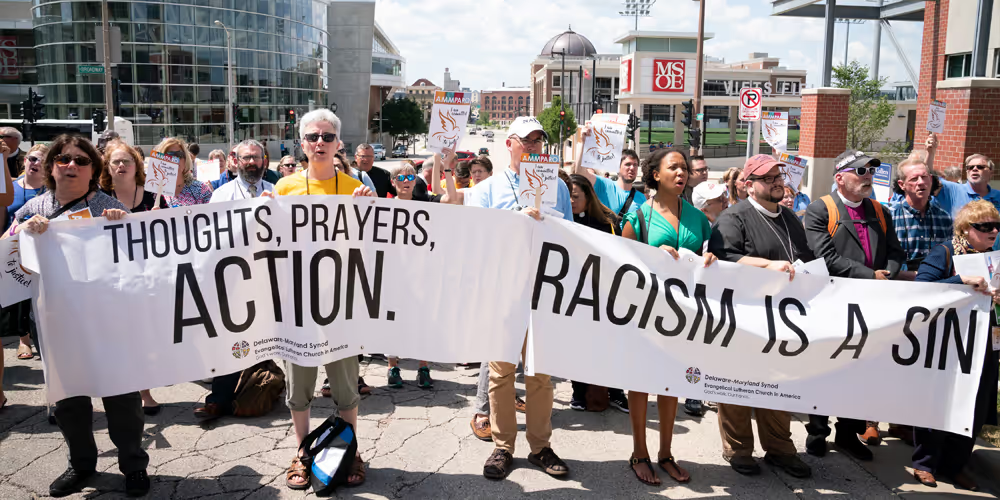
“As with Jesus, the call to love the neighbor and do justice pushes us into engagement with society rather than out of it. Only with appropriate attention to the political can we exercise neighbor love and serve neighbor justice to hold government accountable, oppose social oppression, seek various kinds of liberation, and work toward the common good. Political engagement in this sense is a means of channeling God’s love through civic participation,” states the Faith and Civic Life ELCA social statement.
Civic engagement means working to make a difference in the civic life of our communities and developing the knowledge, skills, values and motivation needed to make that difference. It means promoting the quality of life in a community through both political and nonpolitical processes. ELCA members, rostered ministers, congregations, synods, seminaries and college and university campus ministry groups are among those playing a vital role.
Upcoming Events
Resources for Civic Engagement
ELCA Election Engagement Toolkit
Get inspiration and tools to activate and energize love in an election season as people and communities of faith.
Being a Public Church in the Electoral Process
This resource provides an introduction to ELCA advocacy efforts to address and alleviate global hunger and poverty.
ELCA Civic Engagement Guide
A guide for engaging in civic issues, particularly relevant in election seasons.

We Are Christians Against Christian Nationalism
The ELCA is committed to the common good — not for the good of Christians first — and to working with and learning

Craftivism as Advocacy
Craftivism is a form of activism that employs traditional crafts as mediums for social and political change.

Cultivating Relationships with Election Officials
Cultivating relationships with local election officials can be an important support for the individuals, communities and generations impacted by the outcomes of U.S.
elections.
Election Engagement
Elections are a moment when faithful civic engagement becomes especially visible as the nation grapples with decisions that will have generational impact for years to come. Elections provide a structured way for people to help shape policies, elect candidates of choice, enact accountability for the well-being of all and ensure that every voice, especially voices from the margins, are heard.
BARRIERS TO ACCESS AND EQUITY
Voter suppression is real. Voting in our nation was first enshrined only for educated white men who owned property. It took more than a century for access to the ballot to meaningfully expand to people of color, women, people with disabilities, people who are low-income, and American Indians and Alaska Natives. From a history of voter suppression in the Jim Crow era to the current climate of restrictive voter laws, many people, particularly people of color, face barriers to their right to vote.
“The political health of our nation still suffers from the stain of antidemocratic exclusion. Efforts to restrict access to voting should be condemned and resisted,” says the ELCA social message “Government and Civic Engagement in the United States: Discipleship in a Democracy” (p. 9). The need to advocate for just access to the vote continues.
LOVE SHINING NONPARTISAN LIGHT
Many congregations and leaders answer the nonpartisan election engagement call through holding registration drives and Get Out the Vote campaigns, among many other ways.
During election season, our love can shine a light that surpasses any partisan message. With prayer and discernment, we engage as the Christian community of the ELCA, living out our vision of a world experiencing the difference that God’s grace and love in Christ make for all people and creation.
Movement into Action
- "The Magnificat Can Be a Dangerous Song" and other Bible studies can be found in the ELCA Resource Center.
- A "Fact & Activity Sheet on Race and Voting" as well as spotlights on rural communities and unique challenges for Native American voters are linked in the ELCA Election Engagement Toolkit.
- Prompt the person next to you, "Tell me about the first time you voted" and what difference does your faith make in your election decisions.
- The ELCA Election Toolkit includes many "Getting the Conversation Started" ideas.
- Just posting the date of Election Day and basic local rules helps us all be ready. A "Prepared to Vote Checklist" is available for display from the ELCA Resource Center.
- Check your registration status and help others do the same!
- From snacks to transportation to poll worker assistance, there is much we can do for one another. But it takes advance planning. Find tips in the ELCA Election Engagement Toolkit.
- Reach out to neighbors others may ignore, such as shelters and senior living residences, with Get Out the Vote and voter pledge initiatives.
- ELCA Worship has prayers and liturgies prepared to share in Election Day vigils and more.
- Collaborate with others to share a witness of people of faith coming together to encourage the common good of the electoral process and celebrate our communities.
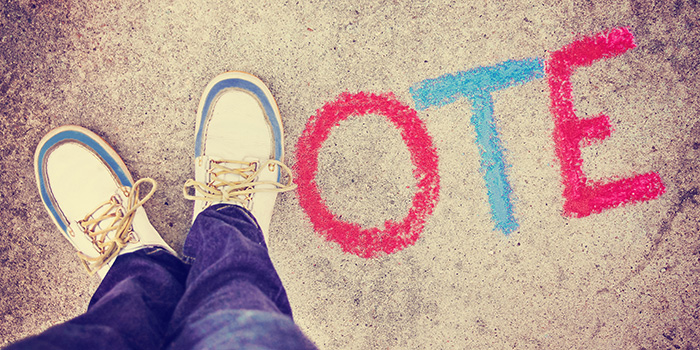
Using resources that will be provided by the ELCA and partner organizations as part of the civic engagement initiative, here are some ways to participate in public society.
Get Involved
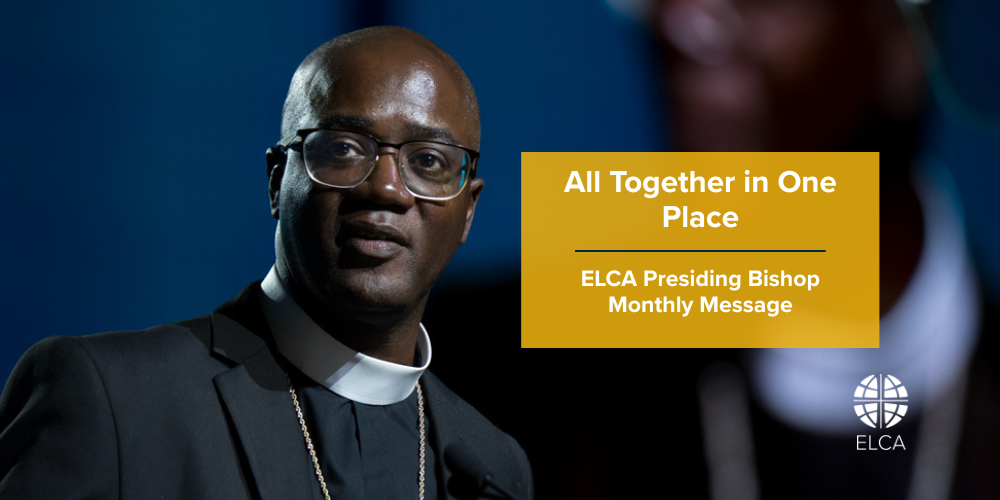
Read the third installment of Bishop Curry's "All Together in One Place" series is titled "Choosing Reconciliation Over Division in a Multifaith America".
Monitor the ELCA Action Center for opportunities to use your faith-shaped voice on federal policy matters related to election engagement
Check in with election engagement activity in your synod and SPPO.
New episodes are coming soon.
Access the full list of Witness in Society resources at our resource library.
.jpg)