

Building trust to cultivate resiliency - Breath of God Lutheran Church
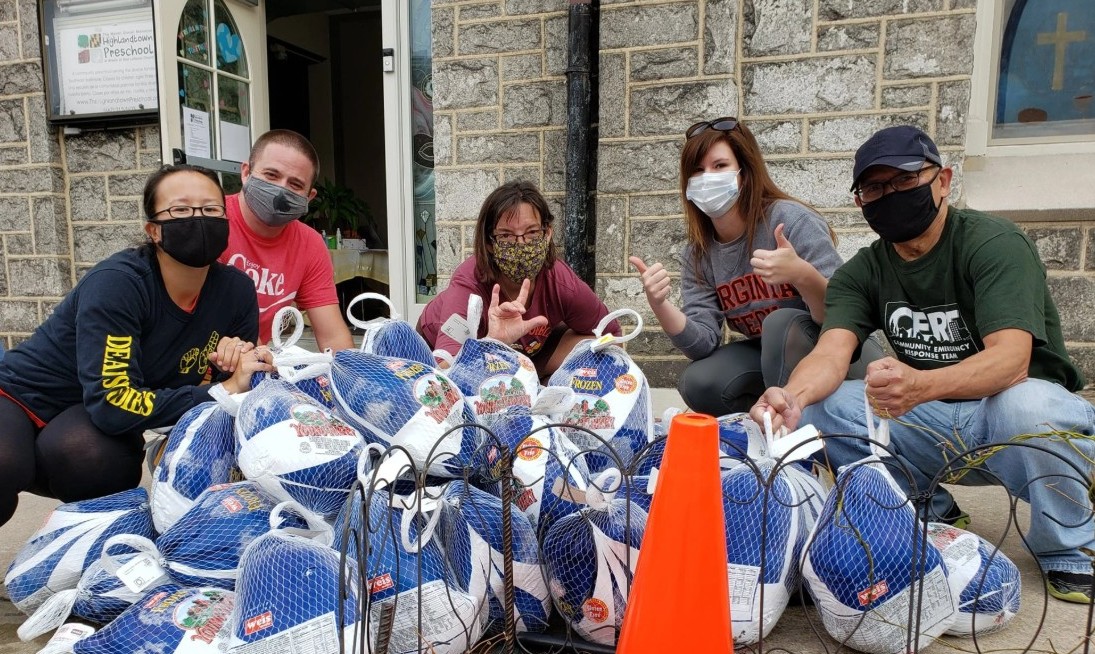
The Highlandtown Facebook group — a lively forum where neighbors ask for recommendations — is often a first stop for those looking to get connected in Southeast Baltimore. When newcomers move to the area, they often post in this group, asking about churches to check out in the area. Breath of God Lutheran Church is consistently one of the first recommendations to come up in the comments.
That kind of reputation is not accidental. It is the fruit of years of faithful presence. The congregation is well-known in the community and has worked hard to build trust with its neighbors. “Trust is such an important resource,” says the Rev. Madeline Tallman, lead pastor.
Neighbors who are not religious or are part of other faith traditions regularly vouch for Breath of God and the important work it does to serve the neighborhood. While worship attendance remains steady in the mid-60s, hundreds of partners engage the church’s ministries each month. As Tallman puts it, “Everyone in this entire community should have at least one good reason to walk into this building at least once each year.”
That commitment shapes how the congregation understands its building — not as a private asset but as a shared resource for the neighborhood. Though the congregation is relatively small and space is limited, members are united in the conviction that creating a “third space” in Highlandtown matters. From the congregation’s beginning, decisions about space have been guided by mission. This clarity has made it possible to respond quickly when needs arise.
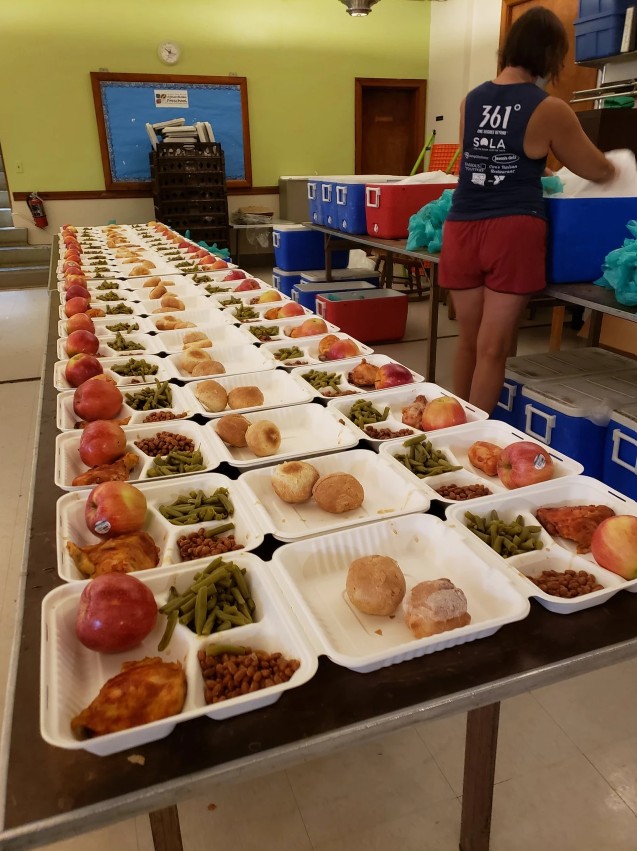
During the COVID-19 pandemic, that response became tangible. As neighbors faced food insecurity, Breath of God prepared its space and mobilized volunteers. Beginning in March 2020, the congregation partnered with families connected to Highlandtown 215, the school across the street. With support from local donors and grants, more than $150,000 was directed toward feeding neighbors. Every week, about 275 families received food support.
More than 150 volunteers — many from the surrounding community — helped process donations in the church gym and fellowship hall and deliver groceries as needed. For months, the church fellowship hall and gym were full of boxes, crates and pallets of food along with masked volunteers working side by side. Weekly food distribution continued, supported by local businesses, foundations and the city, including partners such as H&S Bakery and the Markets at Highlandtown.
Throughout this work, a few guiding questions remained central: What does the community need? How can we meet that need? What is our capacity? These questions shaped how space was used and how partnerships were formed.
When another crisis struck the Highlandtown community, those same questions guided the response. On the evening of Nov. 22, 2020, a fire began in the backyard of an empty house a few doors from the church and preschool. It spread quickly, damaging neighboring homes and causing minor damage to the church building.
In the aftermath, Breath of God Lutheran Church, together with many neighbors, provided food, financial assistance, material support and spiritual care for those displaced. The church became a distribution point for clothing and supplies, and neighbors were connected with food delivery and emergency housing. Once immediate needs were met, community leaders began asking: What is the future of these vacant rowhomes?
The congregation made plans to transform a crisis into an opportunity for service by purchasing two of the homes for renovation. Community members identified key needs to be addressed in those spaces: affordable childcare and housing for refugees.
In response, one home was renovated to expand the Highlandtown Preschool, allowing it to welcome 2-year-old children for the first time. The second home was prepared to house refugee families in partnership with local resettlement agencies.
To oversee this work and the ongoing care of these properties, the congregation established a nonprofit organization, the Clinton Street Community Center, in December 2020. Breath of God owns the properties, but the new organization now manages the properties for the benefit of children and families in Southeast Baltimore.
All this faithful work responding to crises eventually drew the attention of Baltimore’s Community Resiliency Hub Program. Launched in 2021, the program partners with trusted organizations in under-resourced neighborhoods, equipping them to provide critical resources in times of crisis. Breath of God is now one of 17 hubs in the city.
Through this partnership, the congregation has received emergency preparedness supplies, building upgrades, backup power and training. The congregation was also able to replace its roof as solar panels were installed to ensure continued power during outages.
Congregations across the country are becoming resiliency hubs through partnerships with local municipalities and organizations such as Interfaith Power and Light and the Urban Sustainability Directors Network. These partnerships often connect congregations to grant-funding opportunities, allowing them to continue and expand their ministry efforts. The partnership between Breath of God and the city did just that.
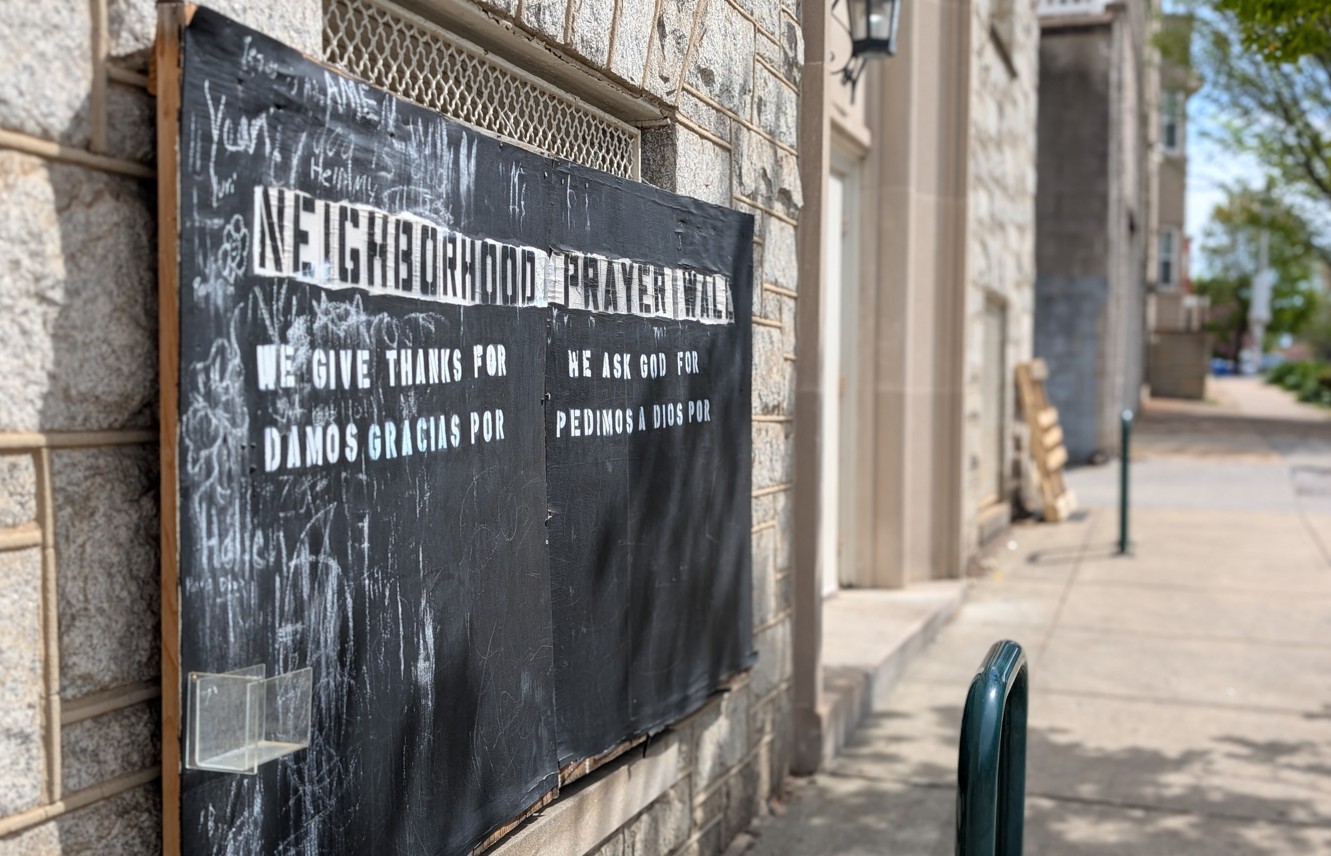
Six years after these back-to-back crises, the congregation continues to serve its community. Monthly food distribution remains part of its ministry. The expanded preschool now provides a child-focused, play-based, nature-integrated curriculum to 23 2-year-olds. A Sudanese family is the second to be welcomed into the renovated rowhome. And the congregation remains ready to respond as new needs arise.
For Breath of God, a key part of preparing to respond to emergencies has been that no space has a single fixed purpose. All space is multiuse, adapted to serve the evolving needs of the community. This model fosters creativity and deepens collaboration, but it also requires patience and trust. “It is easy to hurt someone’s feelings if there is not deep relationship,” notes the Rev. Mark Parker, support pastor. Cultural differences and differing expectations about space can create tension. Tallman describes the work as “communal living at the congregational level.”
However difficult this “communal living” can be, it strengthens the community for whatever challenges come next. Congregational leaders are continually guiding congregants and mission partners through cross-cultural learning, fostering mutual understanding and supporting conflict resolution when needed. In doing so, they model a different way of being church — one in which property is not simply managed but shared and buildings become places of resiliency, trust and hope.
Property Stewardship Lessons
- Mission should guide every decision about space. When congregations ask what the community needs and how their capacity can meet it, buildings become tools for ministry rather than fixed assets to maintain.
- Creativity can transform crisis into opportunity. Instead of focusing only on their congregation’s fire recovery, Breath of God chose to imagine a new thing for its block. The community is better for it.
- Flexibility is essential to crisis response. With flexible leadership and space use, even small spaces and congregations can accomplish big things. How might your space and ministry evolve to meet the needs of your community?