

A resurrection story - Christ Lutheran Church of Baltimore recovers after fire
In the early hours before dawn on June 14, 2024, an explosion rocked downtown Baltimore, where Christ Lutheran Church in the Inner Harbor has stood for almost 140 years. Fire and smoke billowed from a manhole in front of the building. Thankfully, a shelter manager on duty quickly called emergency services. The Rev. Amsalu Geleta, lead pastor of Christ Lutheran Church, arrived soon after the blaze was reported. “It was disorienting not knowing what might happen,” he said. “Not knowing if the building would still stand. It was smoking for hours before we could enter.” As firefighters worked to stabilize the structure, it was later determined that the explosion originated in the electrical supply room. By the time it was safe to enter, the contents of that room were completely destroyed.
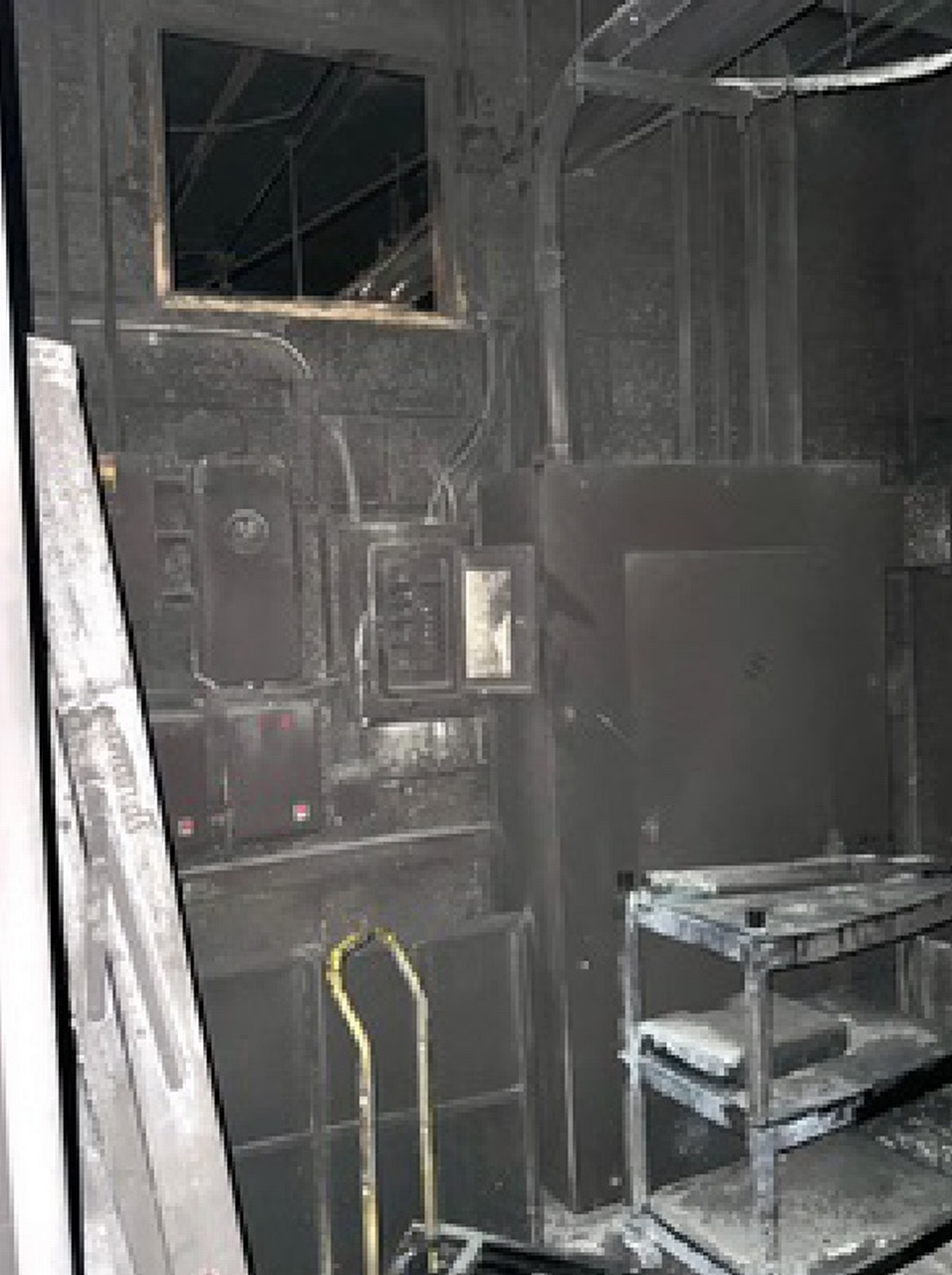
Though the building sustained only minor structural damage, smoke damage was extensive throughout the property. The Baltimore Outreach Services shelter housed in the church lost nearly everything. All residents were safely evacuated and supported in finding temporary housing during the renovation.
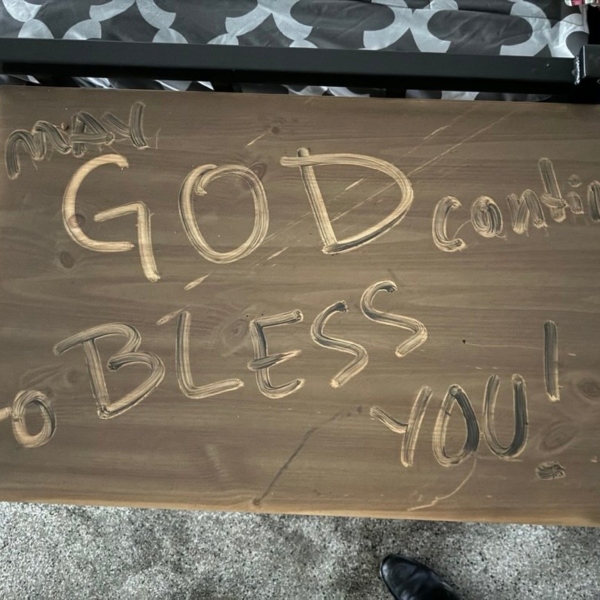
Rev. Geleta recalls, “I didn’t know if we would recover, or when.” As he surveyed the scene of destruction, one sign of hope stood out. Written in the ashes on the remains of a shelter resident's nightstand were the simple yet powerful words “may God continue to bless you!” He carried this message with him as he convened an emergency crisis team the following day.
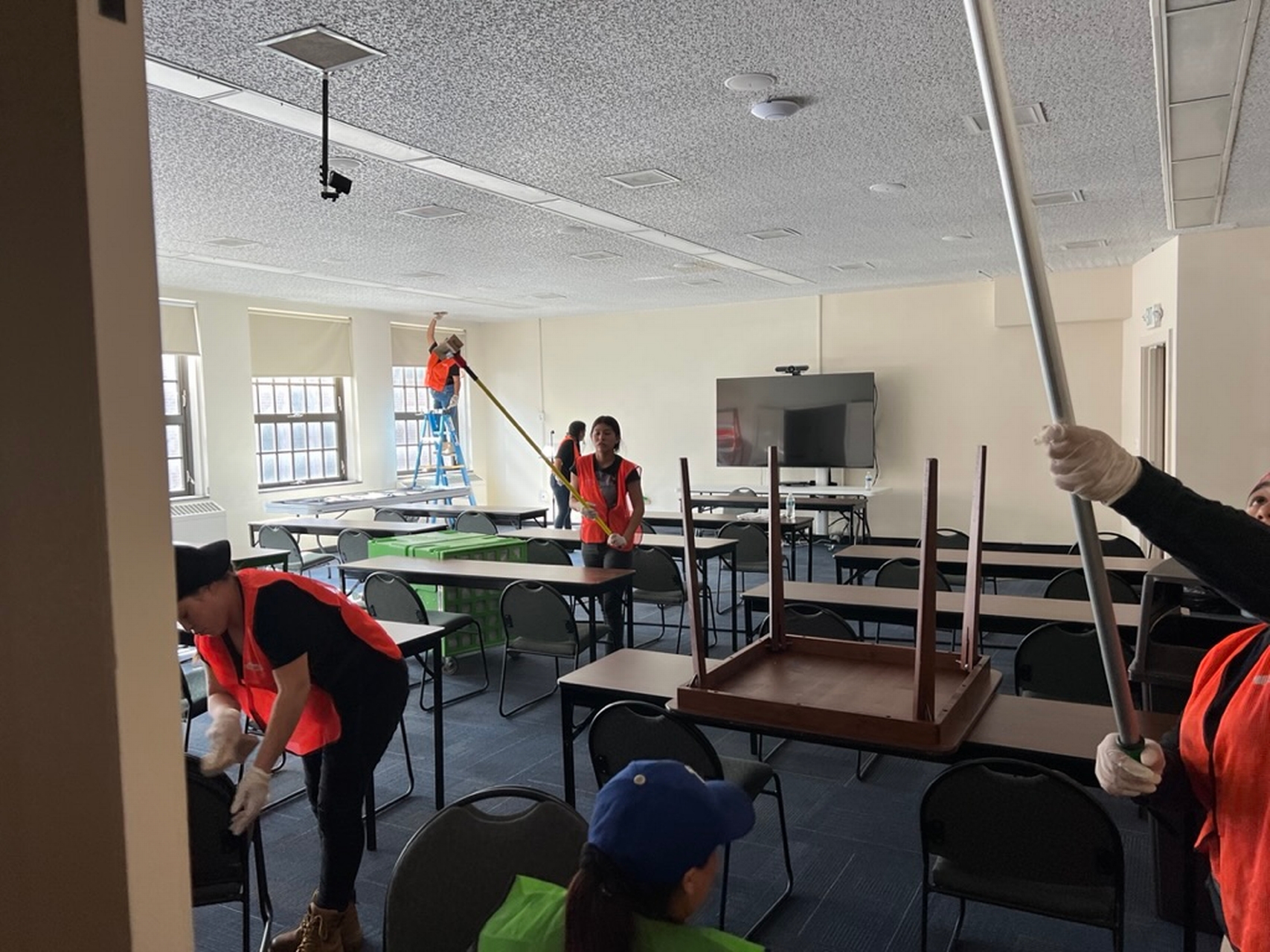
Thanks to longstanding relationships with city staff, contractors, insurance specialists and partner organizations, a recovery plan was quickly set in motion. Cleanup began immediately. Generators restored power to the campus and provided air conditioning to protect the church’s Andover Opus 114 pipe organ.
Reflecting on this period, Rev. Geleta encourages congregations to build relationships before disaster strikes. “No one is ever fully ready,” he said. “It happens when we least expect it. Relationships with contractors and partners are essential. You need their expertise quickly, and you need people you can rely on.” The congregation was blessed with members who held insurance expertise and had ensured that the campus was insured for its proper value.
Even with strong partnerships, navigating permits and shifting timelines proved challenging. As in many construction projects, progress was slower than anticipated. “There are some things you just can’t control,” Rev. Geleta said. “You need to move quickly but also be open to the pace that things unfold. You have to be open to disruption.”
For a congregation accustomed to serving others — offering space, financial support and hospitality — this was a season of receiving support and grace. The temporary closure revealed how deeply the church is woven into the community. The preschool, community choir, AA groups, blood drives, Peabody music students and many others all found themselves displaced.
That disruption also revealed the congregation’s impact. Neighbors and space-sharing partners volunteered for cleanup efforts and supported the rebuilding process. Though the congregation was reimbursed for approximately $3.3 million in fire-related expenses, there are expenses that will not be reimbursed under the terms of the insurance policy. To meet this need, community members contributed more than $500,000 to cover additional costs.
Amid uncertainty, the congregation members continued to gather. The week after the fire, they worshiped in a tent outside the church. In the following weeks, they met in the contemporary worship space, which was less affected by smoke damage. Generators powered worship for months until full electrical service was restored nearly a year later.
“We could have fallen into a ‘woe is us’ mindset,” Rev. Geleta said, “or we could use this as an opportunity for the future. There is something about crisis that opens us to new possibilities.”
Prior to the fire, the board of Baltimore Outreach Services had been planning major renovations to the shelter’s bathrooms and showers. While residents were safely housed elsewhere at Christ Church Harbor Apartments, then in hotels and later in housing provided through the mayor’s office for people experiencing homelessness, the work of restoring and renovating the shelter began. A new sprinkler system was installed to meet updated building codes, the bathrooms were fully renovated to offer a more family-friendly environment with new tubs and laundry areas, the furnishings were replaced, the kitchen was deep-cleaned and updated, and the whole space was repainted.
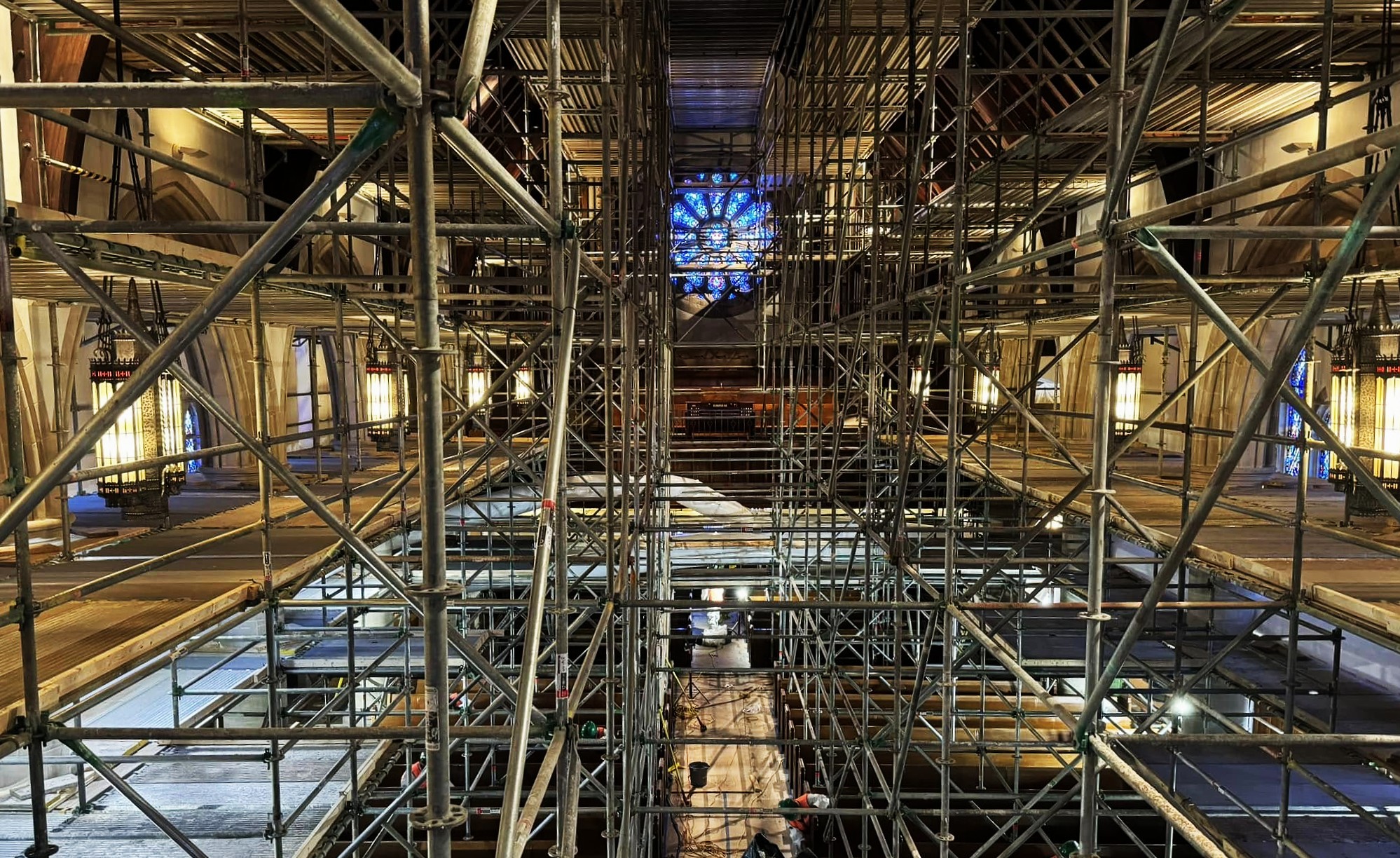
Throughout the rebuilding process, the congregation made decisions with future generations in mind. It installed energy-efficient LED lighting, upgraded sound systems in both worship spaces, renovated outdated bathrooms to better serve the on-site preschool and the congregation, refurbished rooms affected by smoke damage, added energy-efficient window coverings, and expanded the building's infrastructure to support future ministry and facility needs.
Nearly a year later, the congregation returned to its fully restored building on Pentecost Sunday. Members gathered in gratitude for the Spirit’s presence through a difficult season. Worship began with a litany:
“God, today we give thanks for the gift of your Holy Spirit, our helper.
Come, Holy Spirit.
The Spirit of God present among us.
Come, Holy Spirit.
As on the day of Pentecost, when your Spirit rested on your followers like tongues of fire,
rest on us now, O God.”
Through the work of the Spirit, emergency led to renewal, disaster to recovery and crisis to rebuilding. The Baltimore Outreach Services shelter reopened a year after the explosion, providing housing to women and their children experiencing homelessness with a safe place to rest, recover and heal. Partners returned to the church campus, and others found a new home there.
Today the education wing is bustling with the Learning Center preschool and a parents’ playgroup for kids who benefit from the bathroom renovations. The contemporary worship service has grown since their time in that space during renovations, and a partner congregation now uses that space at other times with gratitude for the sound and lighting system upgrades. The blood drives, AA groups, community choir, health fairs and other partners are back.
Two years after the fire, Rev. Geleta speaks candidly about the exhaustion of the journey. Yet above all, “It is a resurrection story,” he said. “Disruption can open us to experiencing the presence of God in new ways.”
Property Stewardship Lessons
1. Build relationships before you need them. Strong, trusted relationships with contractors, city officials and insurance experts make it possible to act quickly and effectively in a crisis.
2. Plan for resilience, not just repair. Recovery is an opportunity to improve systems, update infrastructure and invest in long-term sustainability.
3. Invest in good insurance. Make sure you are insured for the proper value of your building and have insurance experts you trust to prepare for potential crises.