

Forward in faith - St. John’s Lutheran Church
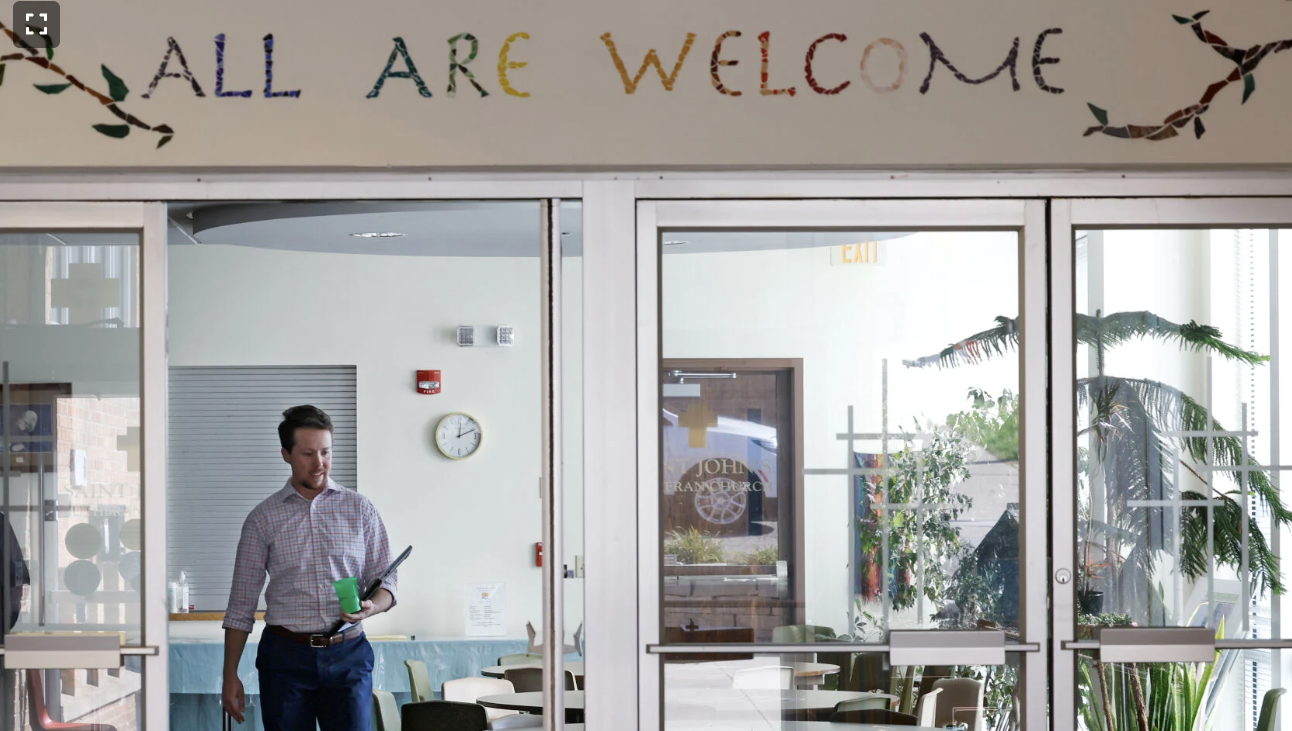
St. John’s Lutheran Church in Madison, Wis., has a storied history of modifying its building for the sake of its mission. Founded in 1856 by German immigrants, the congregation has lived through wave after wave of neighborhood change, changing with it and always asking, “How can our space best serve our neighbors?”
In the mid-1800s, St. John’s purchased land on Main Street in Madison, then a few years later it moved to a new location on fast-paced East Washington Avenue. Knowing there was a need for education in the community, it built a school, and in the 1940s, it built a retirement home outside town (now known as Oakwood Village) to serve older adults, especially widows, who needed shelter and community support. In the 1980s, when the deinstitutionalization of the Reagan era left many mentally ill neighbors out in the cold, St. John’s opened its doors to provide them with companionship and shelter — an effort that eventually launched Porchlight, one of Madison’s key housing organizations.
At the turn of the 20th century, the church erected an elaborate, neo-Gothic sanctuary building, but its members never saw the structure as something that couldn’t be touched. When they saw that neighborhood children needed safe space to play, they renovated the building to add a gym. When the original doors rotted through in the 1960s, the church elected to tear down the façade to make maintenance easier. When membership numbers declined in the early 2000s, the church rightsized its facilities, cutting the sanctuary in half and creating accessible fellowship space and bathrooms on the ground level.
St. John’s members know that their property is a resource for their mission. In 2018, when leaders realized that the congregation couldn’t sustain the property much longer, they began discerning again. “We had three to five years left,” says the Rev. Peter Beeson, who has served the congregation as pastor since 2018. “We could sell our building immediately, continue to decline and waste our resources on building maintenance, or we could do something radically different.”
The congregation formed a Dreaming Team that began to explore what new thing God was calling the congregation to do. As the team read, prayed, attended community meetings and talked with other congregations, the church continued to offer its building for community needs. It added more space-use partners, who could contribute to building costs through lease agreements, and continued to partner with local shelters.
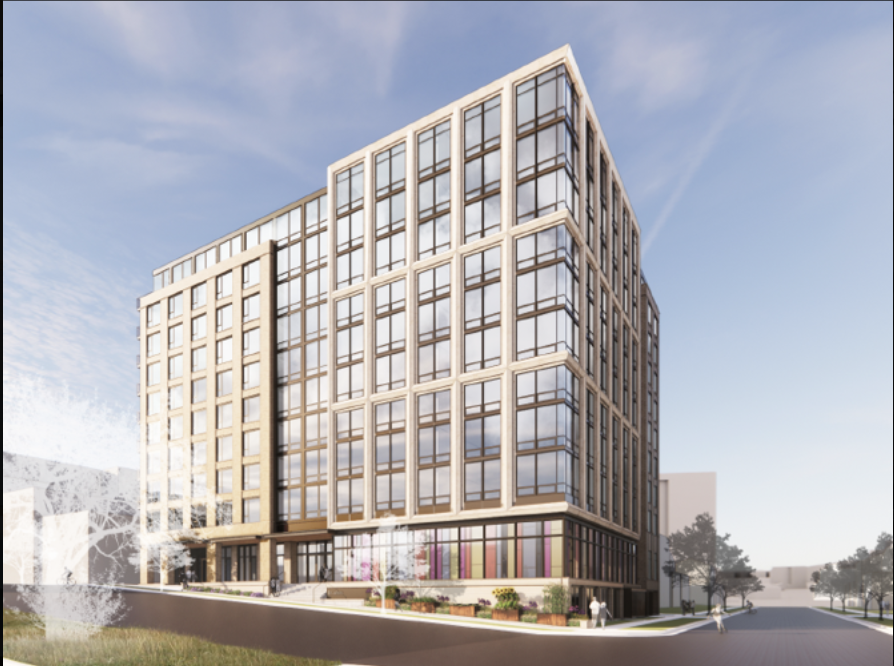
“We heard over and over again that Madison needs affordable housing,” says Pastor Beeson. Developers had flooded the area with new apartments, but almost none of them were affordable for working families. St. John’s had a legacy of bold property decisions, and other churches such as Common Grace in Madison were already making the leap to affordable housing. The congregation heard a call to serve this need, but affordable-housing projects take time and money. And what about the sanctuary — where would congregation members worship or have weddings and funerals?
Then, suddenly, at the beginning of 2020, St. John’s couldn’t use its building. “For us, COVID lockdowns were a blessing,” says Pastor Beeson. The congregation learned that its worship and prayer life were not bound by four walls; what mattered was the members’ ability to gather, even on Zoom. Suddenly unencumbered by the building, they began to see affordable housing as not just a dream but a possibility. They began the long and tedious journey of development: engaging architects, securing financing, building a network of allies and advocates around the city, and navigating the complexities of real estate.
The “More for Madison” building project will provide 130 new units of workforce housing as well as community spaces and affordable office space for nonprofits serving the community. What began as a $30 million idea has grown into a $58 million project with 12 funding sources.
The congregation has committed wholeheartedly to this vision; though construction won’t begin for at least another year, the congregation has already vacated the building. On Reformation Sunday in 2023, the church threw open its doors for a joyful send-off service featuring the mayor, the Raging Grannies of Madison, a local queer chorus, and a kung fu school that performed an elaborate lion dance. Congregation members said goodbye to the bricks and mortar but not to the church.
Now worshiping at the Crossing Campus Ministry headquarters on University Avenue, St. John’s continues to embody its mission. The recent interest-rate hikes and new tariffs on construction materials have extended St. John’s journey toward affordable housing, but the congregation has not lost its vision. “We’re not done yet,” says Pastor Beeson. “God has maybe run out of windows to open but is opening up sewer pipes and air-supply chains. Every time we hit an obstacle, we find a way forward.”
“God has maybe run out of windows to open but is opening up sewer pipes and air-supply chains. Every time we hit an obstacle, we find a way forward.” - The Rev. Peter Beeson
“Forward” is the Wisconsin state motto and the motto of St. John’s today. Forging through obstacles toward a vision of embodied ministry is no radical departure from what the congregation has always been — it’s the latest chapter in a long story of a congregation willing to risk, change and reimagine what a church building can be for the sake of the neighbors it loves.
Property Stewardship Lessons
- Keep neighborhood needs at the center of your planning and your purpose. Engage in community meetings, go door-knocking and get involved in local politics.
- Remember that journeys can be long and often lead through wilderness. Find how the Holy Spirit is present in the wilderness of project planning.
- Find partners who have done similar projects. Build a network of collaborators who can share practices, challenges, rewards and requirements to move forward.